-
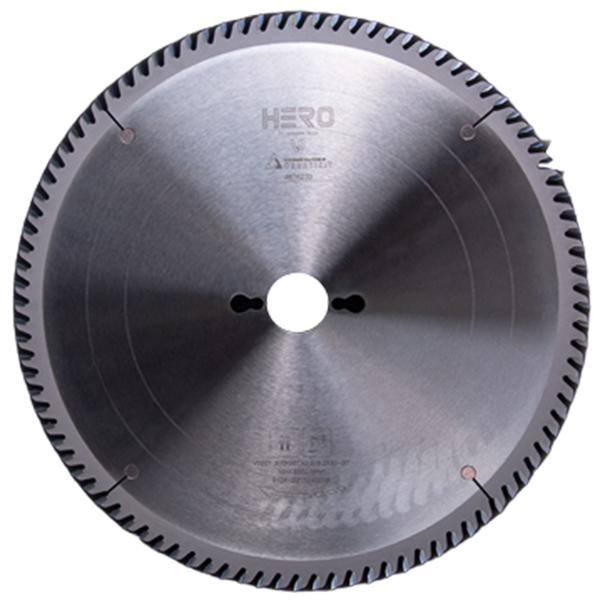 TCT Saw Blade
-
 PCD Saw Blade
-
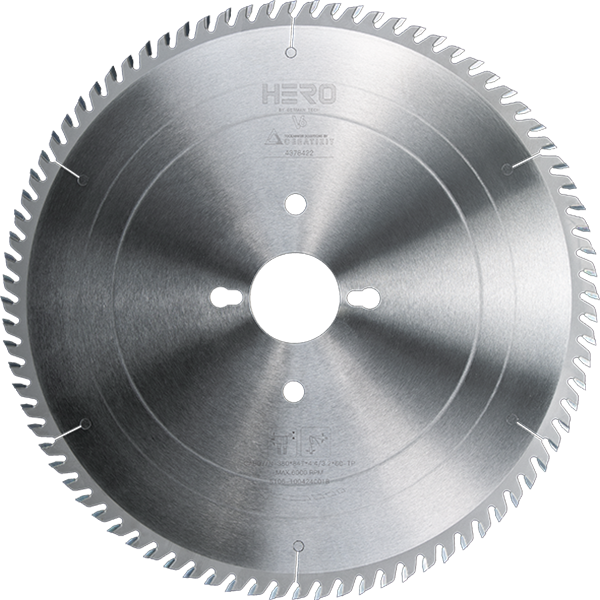 Cold Saw for Metal
-
 Drill Bits
-
 Router Bits
-
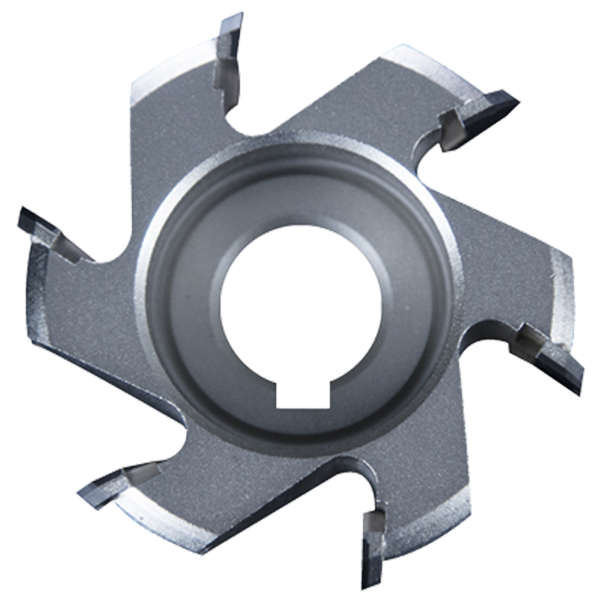 Edge Banding Tools
-
 Other Tools & Accessories
 HERO Sizing Saw Blade
 HERO Panel Sizing Saw
 HERO Scoring Saw Blade
 HERO Solid Wood Saw Blade
 HERO Aluminum Saw
 Grooving Saw
 Steel Profile Saw
 Edge Bander Saw
 Acrylic Saw
 PCD Sizing Saw Blade
 PCD Panel Sizing Saw
 PCD Scoring Saw Blade
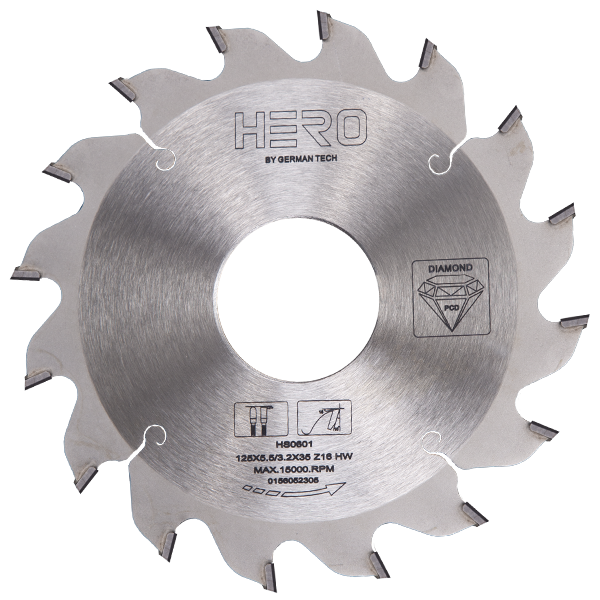 PCD Grooving Saw
 PCD Aluminum Saw
 Cold Saw Blade for Ferrous Metal
 Dry Cut Saw Blade for Ferrous Metal
 Cold Saw Machine
 Dowel Drill Bits
 Through Drill Bits
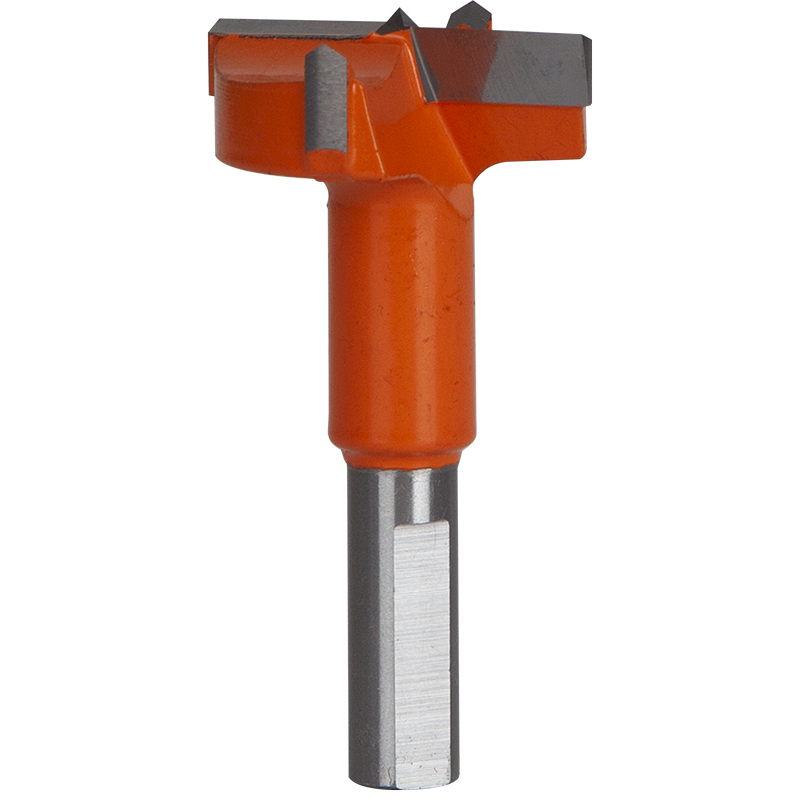 Hinge Drill Bits
 TCT Step Drill Bits
 HSS Drill Bits/ Mortise Bits
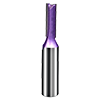 Straight Bits
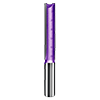 Longer Straight Bits
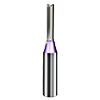 TCT Straight Bits
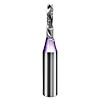 M16 Straight Bits
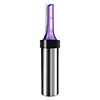 TCT X Straight Bits
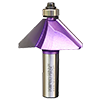 45 Degree Chamfer Bit
 Carving Bit
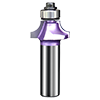 Corner Round Bit
 PCD Router Bits
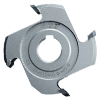 TCT Fine Trimming Cutter
 TCT Rough Trimming Cutter
 TCT Pre Milling Cutter
 Edge Bander Saw
 PCD Fine Trimming Cutter
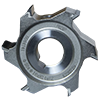 PCD Rough Trimming Cutter
 PCD Pre Milling Cutter
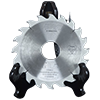 PCD Edge Bander Saw
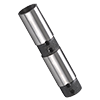 Drill Adapters
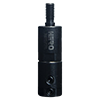 Drill Chucks
 Diamond Sand Wheel
 Planer Knives
-
Featured Product
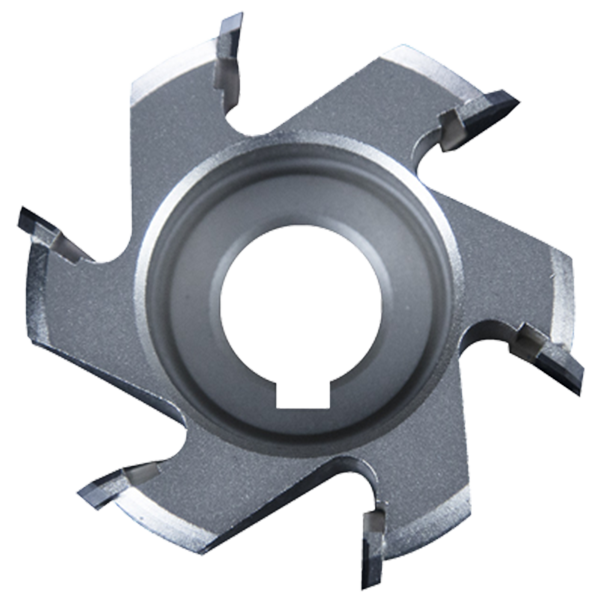
PCD Fine Trimming Cutter For Edge Banding Machine Wood Edging

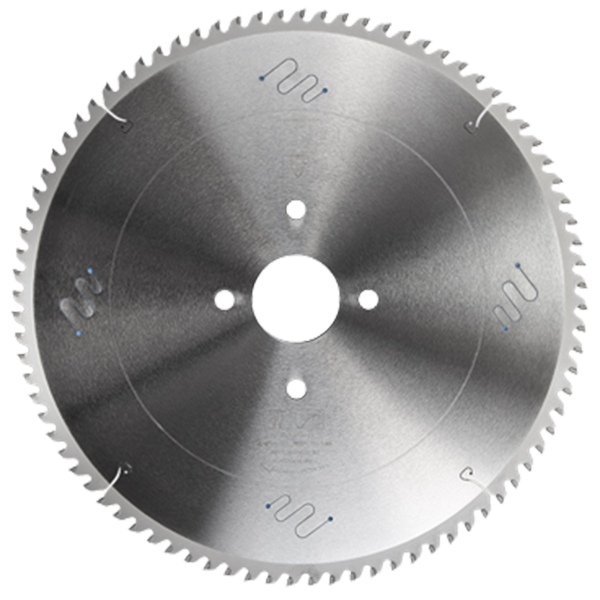
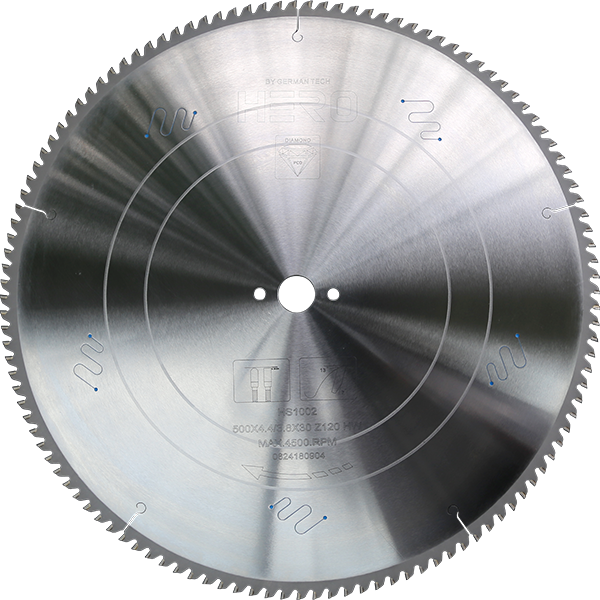


How Thin-Kerf Saw Blades Reduce Material Waste & Save Raw Material Costs: Every 0.5mm Kerf Reduction Recovers Hundreds of Board Meters Annually
Empowering high-production facilities with ultra-thin kerf saw blade innovations. Maximize recovery rates, minimize sawdust generation, and cut operating costs across non-ferrous metals, solid woods, and composites.
The Direct Economics of Material Waste Reduction
In high-capacity industrial production, standard saw kerfs turn valuable raw material directly into unrecoverable airborne waste. Upgrading to advanced thin kerf saw blades fundamentally transforms your cutting yield optimization.
Direct Sawdust Generation Suppression
Every millimeter of blade thickness equals the exact volume of raw material pulverized into sawdust. Reducing the kerf by 1.0mm immediately cuts waste particulate by up to 35%, easing air filtration loads, lowering dust hazard compliance costs, and keeping valuable solid material intact.
Exponential Raw Material Saving
For industrial processors of precious hardwoods (Teak, Walnut, Rosewood), aircraft-grade aluminum, and precision copper, kerf loss is directly proportional to unrecoverable financial write-offs. A thin kerf saw blade converts kerf waste into saleable product.
Extended Cutting Edge Longevity
Reduced kerf translates directly into lower cutting resistance. Less friction creates lower tool-tip temperatures, preventing thermal micro-fracturing on tungsten carbide or PCD tips, resulting in sharper edge retention and longer intervals between sharpenings.
Reduced Spindle Motor Mechanical Load
Because thin-kerf saw blades displace less material per tooth pass, spindle motor torque demands drop dramatically. Facilities running multi-rip saws or large beam saws report lower energy draw and reduced thermal strain on main motor bearings.
The ROI Model: 3.2mm vs. 2.2mm Thin Kerf Blade
Mathematical proof demonstrating volume and cash recovery based on a standard production run of 1,000 cuts daily in commercial lumber or aluminum profile manufacturing.
Baseline Scenario Parameters: Average cutting width of stock = 150mm (0.15m), cut depth = 50mm (0.05m), operational days = 250 days/year, daily cuts = 1,000 passes. We compare a traditional standard kerf (3.2mm) against a KOOCUT precision thin kerf saw blade (2.2mm), yielding a pure 1.0mm savings per stroke.
| Operational Metric | Standard Kerf Blade (3.2mm) | KOOCUT Thin Kerf Blade (2.2mm) | Net Resource Recovery / Difference |
|---|---|---|---|
| Single Cut Kerf Loss Area | 0.00048 m³ / cut | 0.00033 m³ / cut | +0.00015 m³ saved per cut |
| Daily Kerf Waste (1,000 cuts) | 0.48 m³ (Pulverized to dust) | 0.33 m³ (Pulverized to dust) | 0.15 m³ solid material saved / day |
| Annual Volume Saved (250 Days) | 120.0 m³ waste | 82.5 m³ waste | 37.5 m³ solid stock preserved |
| Yield in 18mm Thickness Equivalent | Baseline Utilization | +2,083 m² Board Equivalent | +2,083 m² Salable Board Area |
| Financial Savings @ $650/m³ (Hardwood) | $78,000 Kerf Waste Cost | $53,625 Kerf Waste Cost | $24,375 Net Annual Raw Material Savings |
| Financial Savings @ $2,400/m³ (Aluminum/Alloy) | $288,000 Kerf Waste Cost | $198,000 Kerf Waste Cost | $90,000 Net Annual Raw Material Savings |
*Calculations exclude secondary downstream labor savings from reduced tool changes and lower dust extraction energy.
Engineering Overcomes: Eliminating Blade Deflection
The primary barrier to using ultra-thin saw blades has historically been blade flutter, deflection, and heat warping. KOOCUT deploys cutting-edge metallurgy and structural stabilization technologies to guarantee pinpoint accuracy.
Pre-Stressed Tension Roll Ring
Each thin-kerf saw blade blank undergoes CNC multi-ring computerized tensioning. Internal stresses are balanced to counteract dynamic centrifugal and thermal expansion during speeds up to 6,000 RPM, keeping runout under 0.03mm.
Laser-Cut Heat Expansion Slots
Strategically placed laser expansion slots filled with vibration-dampening polymer absorb harmonic frequencies. This stops the blade body from dishing or snaking under intense friction loads during continuous automated cutting lines.
High-Rigidity 75Cr1 & SKS51 Alloy Cores
We source imported German and Japanese alloy strip steels subjected to dual-stage vacuum tempering. This delivers elastic resilience combined with ultra-dense structural hardness (HRC 44-46), maintaining extreme stiffness despite reduced thickness.
Frequently Asked Questions (Industrial FAQ)
Everything your engineering, plant operations, and tooling maintenance teams need to know to safely transition to thin-kerf saw tooling.
Company Profile: KOOCUT Cutting Technology


KOOCUT Cutting Technology (Sichuan) Co., Ltd. was established in 1999. It is backed by 9.4 million USD in registered capital and a total estimated investment of 23.5 million USD by Sichuan Hero Woodworking New Technology Co., Ltd. (also known as HEROTOOLS) and its Taiwan technical partner. KOOCUT is situated in the Tianfu New District Cross-Strait Industrial Park, Sichuan province. The total facility covers nearly 30,000 square meters, with an initial construction footprint of 24,000 square meters.
Built upon Sichuan HERO's more than 20 years of experience and deep manufacturing expertise in high-precision cutting tools, KOOCUT is dedicated to the R&D, precision production, and global supply of: precision CNC alloy cutting tools, diamond (PCD) cutting tools, thin-kerf precision cutting saw blades, CNC milling cutters, and precision machining tools for electronic circuit boards. Our precision solutions serve leading enterprises in furniture manufacturing, modern building panels, non-ferrous alloy extrusion, and electronics.