
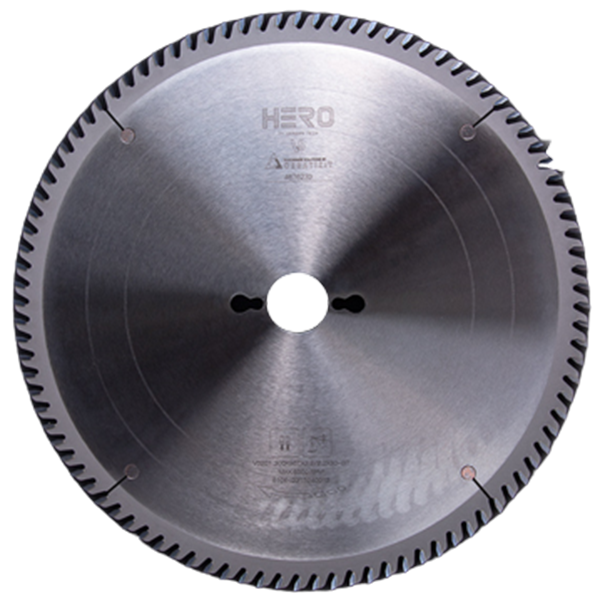
 TCT Saw Blade
 HERO Sizing Saw Blade
 HERO Panel Sizing Saw
 HERO Scoring Saw Blade
 HERO Solid Wood Saw Blade
 HERO Aluminum Saw
 Grooving Saw
 Steel Profile Saw
 Edge Bander Saw
 Acrylic Saw
 PCD Saw Blade
 PCD Sizing Saw Blade
 PCD Panel Sizing Saw
 PCD Scoring Saw Blade
 PCD Grooving Saw
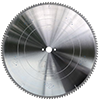 PCD Aluminum Saw
 Cold Saw for Metal
 Cold Saw Blade for Ferrous Metal
 Dry Cut Saw Blade for Ferrous Metal
 Cold Saw Machine
 Drill Bits
 Dowel Drill Bits
 Through Drill Bits
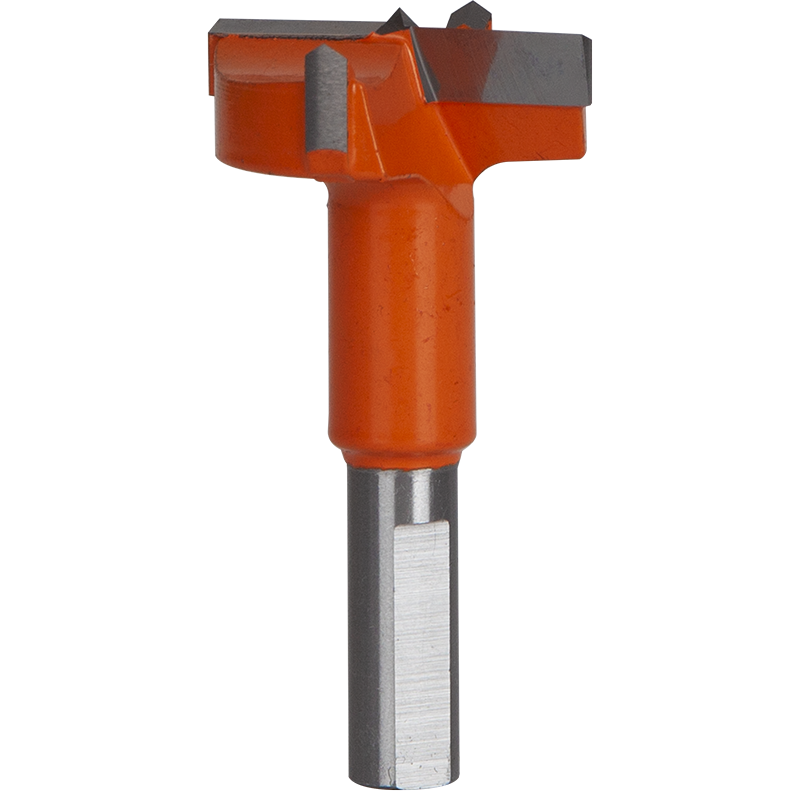 Hinge Drill Bits
 TCT Step Drill Bits
 HSS Drill Bits/ Mortise Bits
 Router Bits
 Straight Bits
 Longer Straight Bits
 TCT Straight Bits
 M16 Straight Bits
 TCT X Straight Bits
 45 Degree Chamfer Bit
 Carving Bit
 Corner Round Bit
 PCD Router Bits
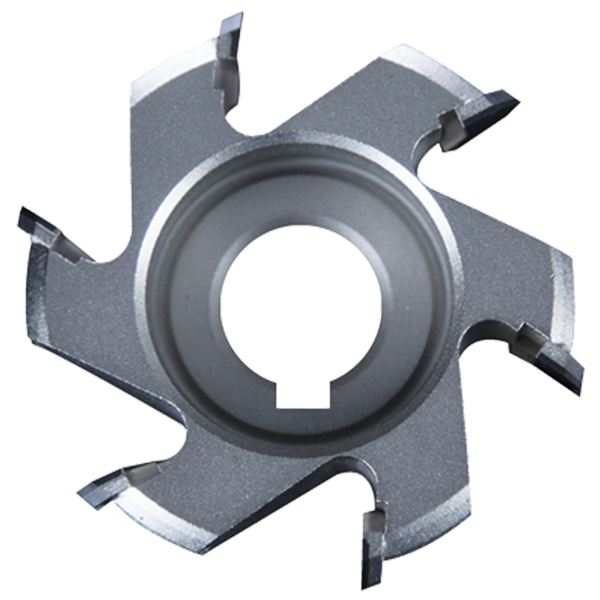 Edge Banding Tools
 TCT Fine Trimming Cutter
 TCT Rough Trimming Cutter
 TCT Pre Milling Cutter
 Edge Bander Saw
 PCD Fine Trimming Cutter
 PCD Rough Trimming Cutter
 PCD Pre Milling Cutter
 PCD Edge Bander Saw
 Other Tools & Accessories
 Drill Adapters
 Drill Chucks
 Diamond Sand Wheel
 Planer Knives
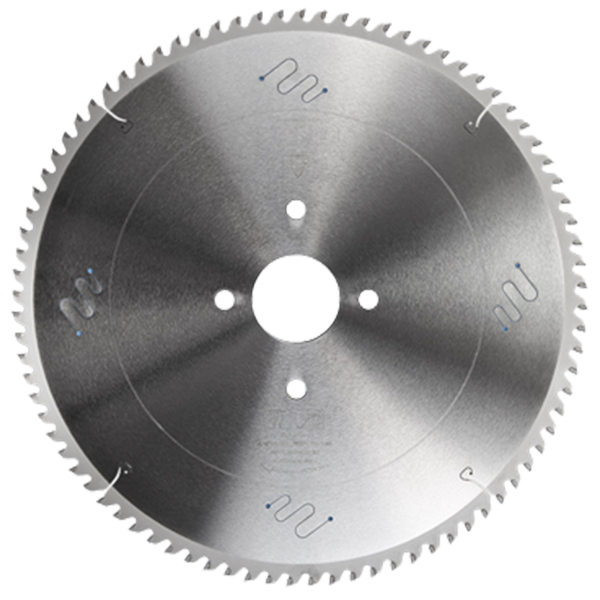
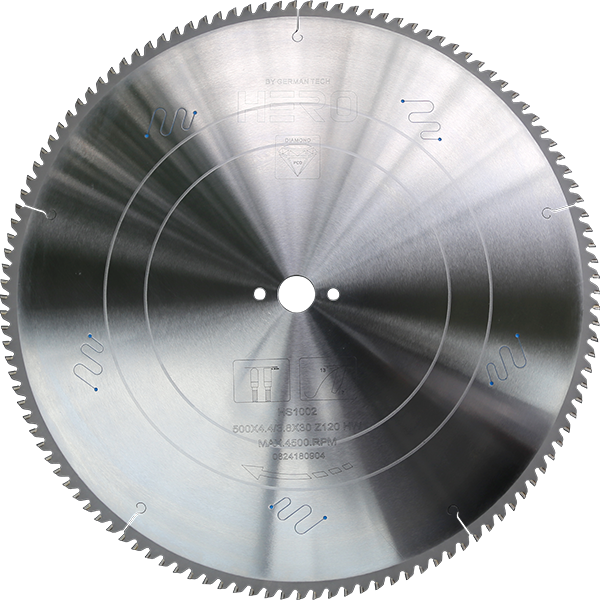
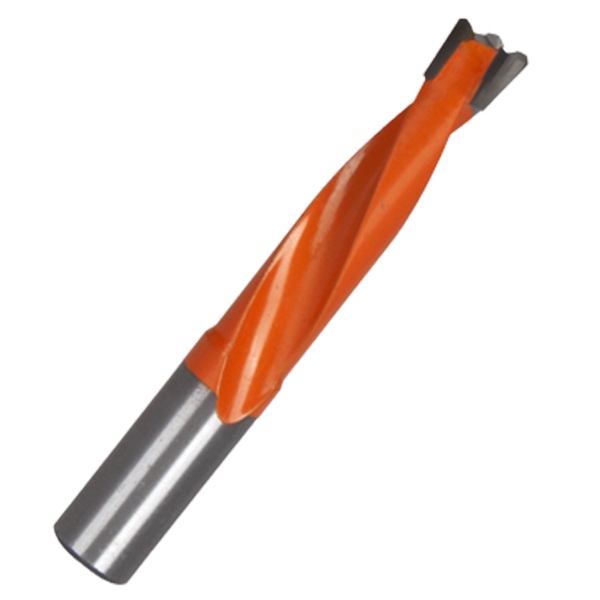

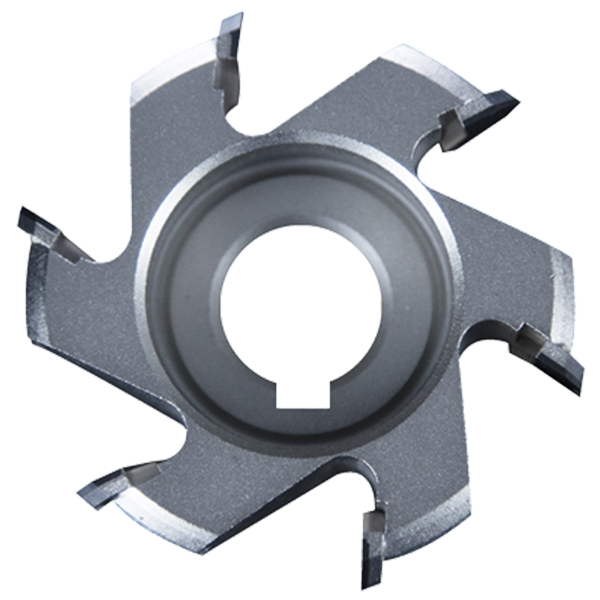


In the global industrial manufacturing sector, stability has long been the bedrock of strategic planning. However, as we enter 2026, the era of predictable, low-cost consumable tooling is officially coming to an end.
For procurement managers and distributors across the construction, automotive, and woodworking industries, a new reality is taking shape. Based on current supply chain data, geopolitical friction, and shifting monetary policies, the price of high-performance circular saw blades is projected to increase by a minimum of 10% in Q1 2026. This is not a temporary fluctuation; it is a structural correction driven by a “perfect storm” of three macro factors: the weaponization of critical minerals, the restructuring of China’s export incentives, and the escalating costs of global compliance.
This article dissects these drivers to help you understand the “Why” behind the numbers and how to navigate the volatile market ahead.
1. The Weaponization of Raw Materials: Tungsten and Cobalt
The most immediate catalyst for the 2026 price surge is the tightening supply of the core ingredients of modern tooling: Tungsten and Cobalt.
For decades, Tungsten Carbide (WC) has been the industry standard for saw blade tips due to its extreme hardness and heat resistance. However, Tungsten is no longer just an industrial input; it has been reclassified by major powers (including the US, EU, and China) as a “Strategic Critical Mineral.”
-
Supply Deficits: As of 2026, global geopolitical tensions have led to stricter export controls on Tungsten ores. With China controlling over 80% of the global tungsten supply chain, recent environmental restrictions and strategic stockpiling for domestic defense industries have significantly reduced the export quota available for the general market.
-
The “Cobalt Cliff”: Cobalt, used as the binder in carbide tips, faces even fiercer competition from the electric vehicle (EV) battery sector. As EV production targets ramp up globally in 2026, tool manufacturers are being priced out of the market by battery giants.
Impact: The raw material cost for premium carbide tips has risen by approximately 15-20% year-over-year. For a finished saw blade, where the carbide tip represents the highest value component, this single factor drives a net price increase of 4-6% at the factory gate.
2. The End of Subsidies: China’s Export Tax Rebate Overhaul
For the past twenty years, global buyers have benefited from China’s aggressive export tax rebate policies, which effectively subsidized the cost of Chinese-made tools by 13%. That era is over.
In late 2025, facing external trade pressure and a desire to move up the value chain, China announced a comprehensive overhaul of its VAT rebate system. For energy-intensive and resource-heavy products—a category that includes steel bodies and standard carbide tools—the export rebate has been either drastically reduced or eliminated entirely.
Why this matters: Previously, a Chinese manufacturer could offer a price of $100 and receive $13 back from the government, effectively operating on a $113 revenue basis. With the removal of this rebate, the manufacturer faces an immediate 13% revenue gap. To survive and maintain the same meager profit margins, factories have no choice but to pass this cost directly to the international buyer.
This policy shift alone mathematically necessitates a price correction of roughly 9-13%, independent of material costs.
3. The Hidden Cost of Geopolitics: “Friend-Shoring” and Compliance
The 2026 global trade environment is fragmented. The decoupling of supply chains—often referred to as “de-risking” or “friend-shoring”—introduces new, hidden operational costs.
-
Steel Body Volatility: High-quality saw bodies rely on specialized alloy steels (like 75Cr1). As trade barriers rise between steel-producing nations (such as tariffs between Europe and Asia), manufacturers are forced to source materials from more expensive, “politically safe” alternatives or pay high tariffs on imported premium steel.
-
ESG and Carbon Taxes: The European Union’s Carbon Border Adjustment Mechanism (CBAM) is now in full effect. Saw blades, being steel-heavy products, are subject to carbon audits. The administrative cost of tracking, reporting, and paying for the carbon footprint of every blade is being baked into the FOB price.
The 2026 Outlook: A New Pricing Baseline
When we combine these factors, the math is undeniable:
-
Raw Material Inflation (Carbide/Steel): +4% to +6% impact.
-
Export Policy Adjustment: +5% to +10% impact.
-
Operational/Logistics Inflation: +2% to +3% impact.
Total Projected Increase: A conservative estimate places the baseline price hike at 11% to 19% for high-quality industrial blades. The “10% increase” warning you are receiving is not a sales tactic; it is, if anything, an optimistic forecast that assumes manufacturers are absorbing some of the pain.
Strategic Recommendations for Partners
In a rising market, passivity is expensive. We recommend the following actions for our partners:
-
Lock in Q1/Q2 Pricing: If you have forecasted demand for the first half of 2026, finalize your orders immediately. Current inventory produced under 2025 cost structures is your most valuable asset.
-
Shift to PCD Solutions: While the initial cost is higher, Polycrystalline Diamond (PCD) blades offer a lifespan 30-50 times that of carbide. In an environment where replacement costs are rising (due to logistics and labor), the Total Cost of Ownership (TCO) of PCD becomes significantly more attractive.
-
Prioritize Supply Security: In 2026, availability will be as critical as price. Partner with manufacturers like KOOCUT who have secured long-term raw material contracts and possess the financial stability to weather supply chain disruptions.
The market has changed. The cheap, abundant resources of the past decade are gone. But for those who plan ahead, 2026 offers an opportunity to consolidate market share by securing stable, high-quality supply while competitors struggle with shortages and price shocks.
Post time: Jan-09-2026


