
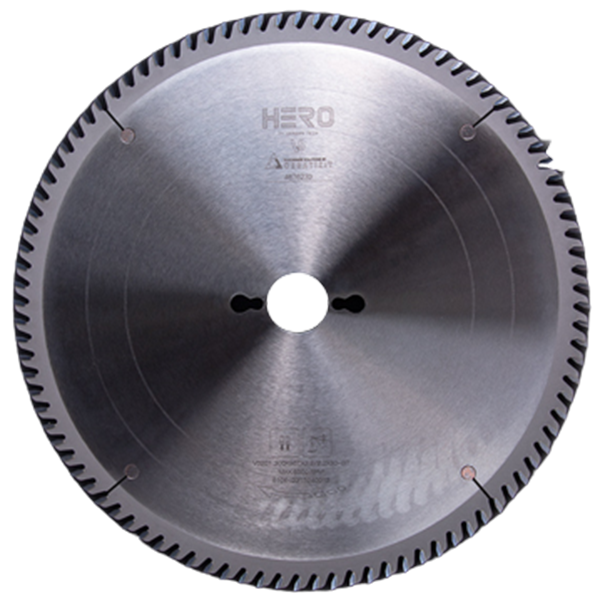
 TCT Saw Blade
 HERO Sizing Saw Blade
 HERO Panel Sizing Saw
 HERO Scoring Saw Blade
 HERO Solid Wood Saw Blade
 HERO Aluminum Saw
 Grooving Saw
 Steel Profile Saw
 Edge Bander Saw
 Acrylic Saw
 PCD Saw Blade
 PCD Sizing Saw Blade
 PCD Panel Sizing Saw
 PCD Scoring Saw Blade
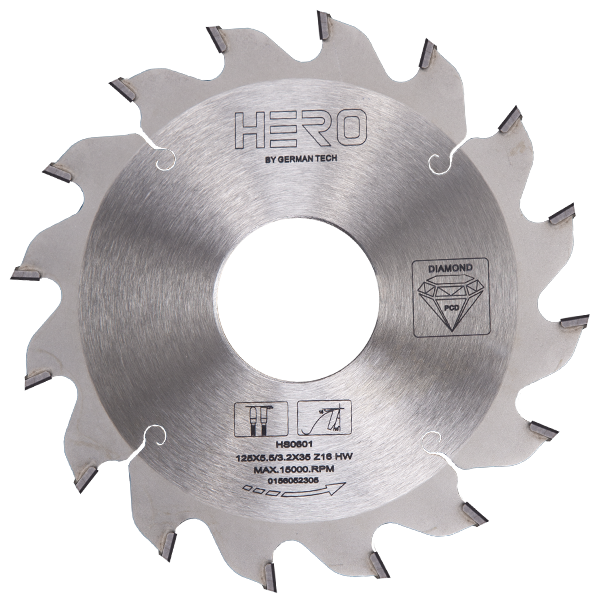 PCD Grooving Saw
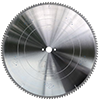 PCD Aluminum Saw
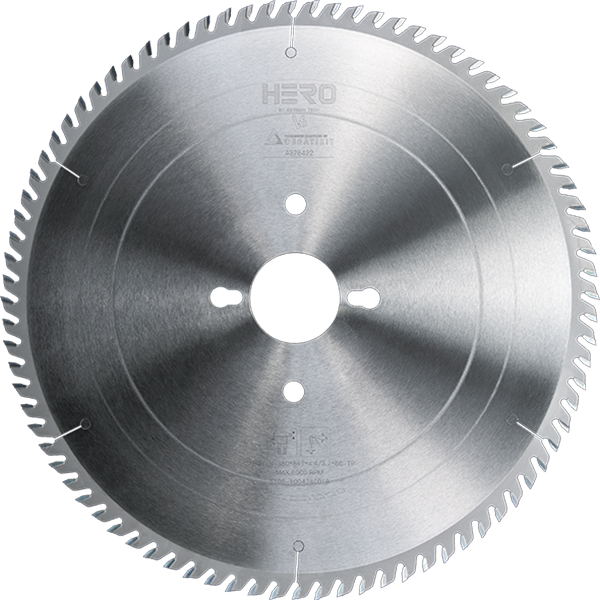 Cold Saw for Metal
 Cold Saw Blade for Ferrous Metal
 Dry Cut Saw Blade for Ferrous Metal
 Cold Saw Machine
 Drill Bits
 Dowel Drill Bits
 Through Drill Bits
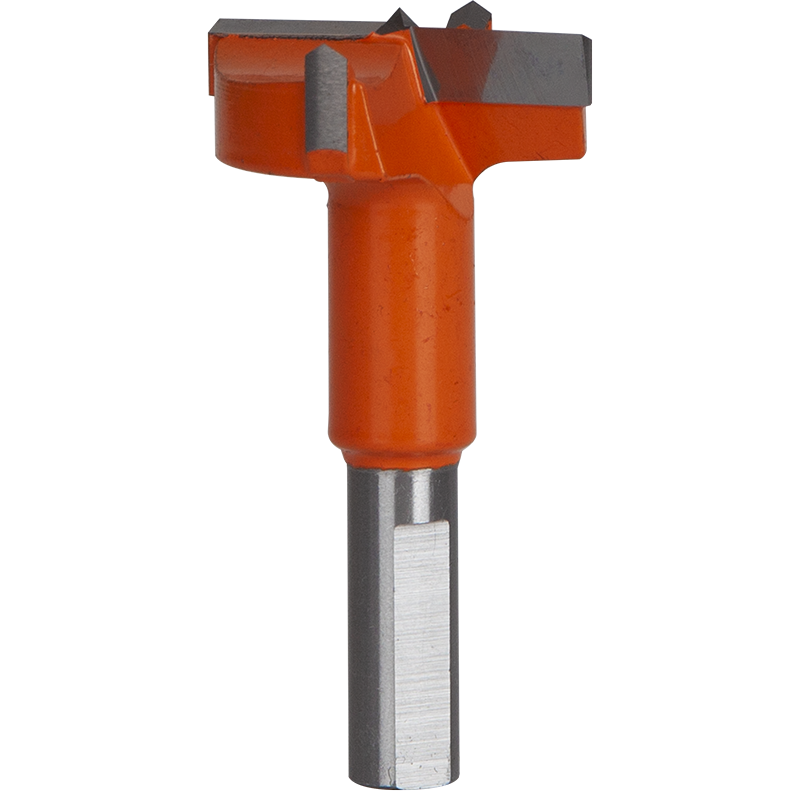 Hinge Drill Bits
 TCT Step Drill Bits
 HSS Drill Bits/ Mortise Bits
 Router Bits
 Straight Bits
 Longer Straight Bits
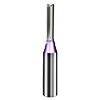 TCT Straight Bits
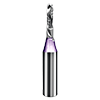 M16 Straight Bits
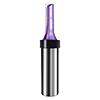 TCT X Straight Bits
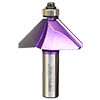 45 Degree Chamfer Bit
 Carving Bit
 Corner Round Bit
 PCD Router Bits
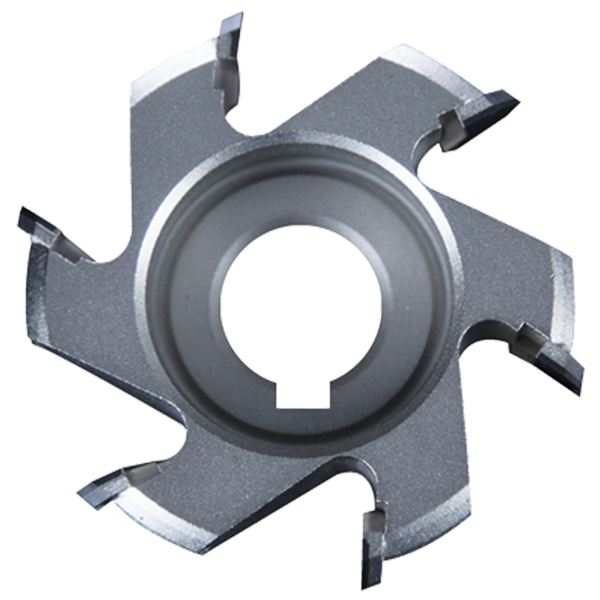 Edge Banding Tools
 TCT Fine Trimming Cutter
 TCT Rough Trimming Cutter
 TCT Pre Milling Cutter
 Edge Bander Saw
 PCD Fine Trimming Cutter
 PCD Rough Trimming Cutter
 PCD Pre Milling Cutter
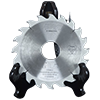 PCD Edge Bander Saw
 Other Tools & Accessories
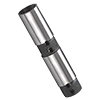 Drill Adapters
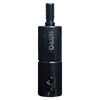 Drill Chucks
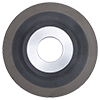 Diamond Sand Wheel
 Planer Knives


Mastering Fiber Cement: Global Standards, Technical Challenges, and the KOOCUT Revolution
Walk into any commercial construction site in North America or Europe, and you’ll likely see workers handling stacks of fiber cement boards—whether it’s James Hardie’s iconic siding for residential homes or Eternit’s heavy-duty backing boards for commercial buildings. This material has become the backbone of modern construction for good reason: it resists fire, stands up to harsh weather for decades, and offers a clean, customizable aesthetic that synthetic materials can’t match. But ask any contractor about their biggest frustration with fiber cement, and the answer is almost universal: cutting it without ruining tools or endangering health.
Composed of 60% cement, 25% sand, and 15% cellulose fiber, fiber cement acts like a sheet of microscopic sandpaper. The high silica content grinds down standard carbide blades in as little as 10 cuts, while generating clouds of fine silica dust (PM2.5) that pose serious lung health risks. For years, the industry has relied on a small circle of global tool brands to solve this problem—but as job sites shift to cordless tools and safety regulations tighten, the old solutions are no longer enough. That’s where KOOCUT comes in.
The Global Landscape: Who Dominates Fiber Cement Cutting Tools?
To understand how KOOCUT is reshaping the market, we first need to examine the three categories of leaders that have defined fiber cement blade technology for the past two decades. Each has carved out a niche, but none have solved all the industry’s pain points.
1. The Specialists: Precision-First Brands
Brands like Diablo (a division of Freud) and Japan’s Tenryu focus exclusively on optimizing blades for specific materials—and their fiber cement offerings are industry legends. Diablo’s claim to fame is being the only blade officially endorsed by James Hardie, a partnership forged after 5 years of joint testing. Their 4-tooth PCD (Polycrystalline Diamond) design prioritizes dust reduction over speed, a choice that has made it a favorite among residential contractors in California, where silica dust regulations are the strictest in the U.S.
Tenryu, meanwhile, leans on Japan’s centuries-old metallurgy expertise. Their blades are famous for “running true”—meaning they maintain a perfectly straight cut even after 8 hours of continuous use. This stability comes from a proprietary steel tensioning process that heats the blade to 1,200°C before cooling it in mineral oil, creating a core that resists warping under extreme heat. A 2023 survey of Japanese construction firms found that 78% of fiber cement installers preferred Tenryu blades for high-precision jobs like window trim.
2. The System Integrators: Blades as Part of a Ecosystem
Festool and Bosch take a different approach: they don’t just sell blades—they sell complete cutting systems. Festool’s fiber cement blades are engineered to work seamlessly with their track saws and HEPA dust extractors, creating a closed-loop system that captures 99.7% of silica dust. This has made them the top choice for indoor renovations, where dust contamination can ruin finished surfaces. In a 2024 project renovating a 1920s hotel in Paris, contractors used Festool’s system to cut 3,000 square meters of fiber cement backing without triggering a single dust alarm.
Bosch’s edge lies in coating technology. Their Proteqtion coating—a ceramic-based layer applied to the blade’s steel body—reduces heat buildup by 35% compared to uncoated blades. This not only extends blade life but also prevents the “burn marks” that often appear on fiber cement edges when friction runs high. For commercial projects like shopping malls, where appearance matters as much as durability, Bosch’s blades have become a go-to option.
3. The Industrial Workhorses: Built for Job Site Ruggedness
Brands like Milwaukee, Makita, and DeWalt cater to the “workhorse” crowd—contractors who need blades that can handle 12-hour shifts on rough job sites. Milwaukee’s 7-inch fiber cement blade features deep, curved gullets that evacuate chips 20% faster than competitors, reducing clogging and extending battery life for cordless saws. This was a game-changer for a 2023 highway rest stop project in Texas, where crews used cordless Milwaukee saws to cut fiber cement siding in remote areas without access to power outlets.
Makita, meanwhile, focuses on thin kerf design—their blades are 0.08 inches thick, 15% thinner than standard blades—without sacrificing strength. This reduces motor strain, allowing their 18V cordless saws to make 40% more cuts per battery charge. For residential builders working on multiple homes at once, this translates to fewer trips to recharge batteries and faster project completion.
The Science Behind the Cut: Why Most Blades Fall Short
What most consumers don’t realize is that cutting fiber cement isn’t “slicing”—it’s a delicate balance of three physical forces: tribology (friction), thermodynamics (heat management), and aerodynamics (dust and chip evacuation). The best blades master two of these; almost none master all three.
The biggest challenge is the “silica paradox”: to reduce dust, you need fewer teeth (which create larger, heavier chips that fall to the ground), but fewer teeth increase friction and heat. To reduce heat, you need thinner blades or better coatings, but thinner blades can warp. To improve chip evacuation, you need deeper gullets, but deep gullets can weaken the blade’s structure. For years, brands had to choose which trade-off to make—until KOOCUT arrived.
Enter KOOCUT: The Blade That Solves the Trade-Offs
Founded in 2008, KOOCUT started as a small workshop supplying custom blades to large manufacturing plants in China. Over 15 years, the company has evolved into a global supplier, providing tailored cutting solutions to 32 countries—including industrial giants like Saint-Gobain and Larsen & Toubro. What sets KOOCUT apart is its R&D philosophy: instead of copying global leaders, it analyzed their weaknesses and built a blade that addresses every pain point.
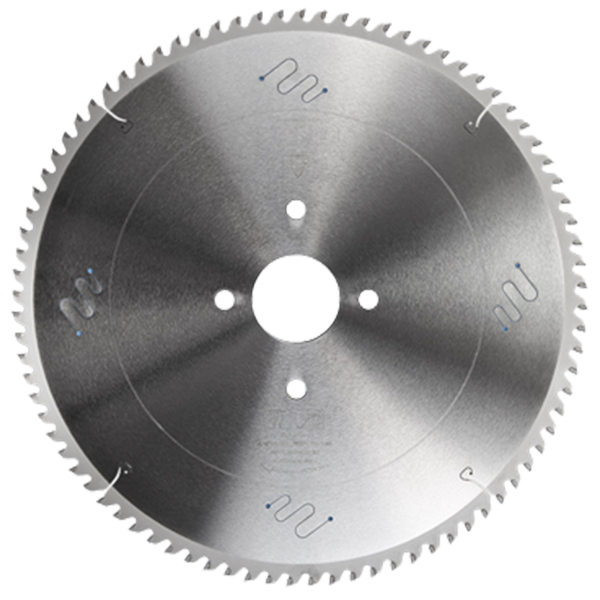
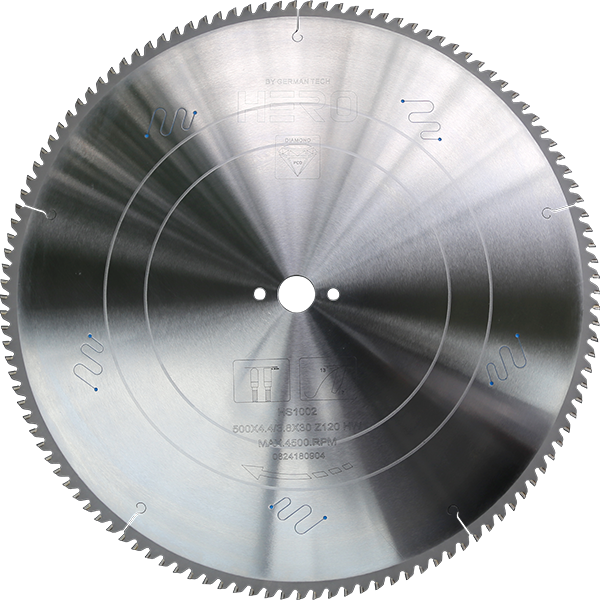
The result is the KOOCUT Specialized Fiber Cement Saw Blade—a product that combines Diablo’s dust control, Tenryu’s stability, and Makita’s battery efficiency into a single solution. Let’s break down its four groundbreaking features:
1. Aerodynamic Gullet Geometry: Less Dust, More Speed
Most blades use a “U-shaped” gullet to catch chips, but KOOCUT’s engineers reimagined this design after studying wind tunnel data. Their “tapered spiral gullet” narrows from 10mm at the opening to 5mm at the base, creating a vortex that pulls chips out of the cut area 30% faster than U-shaped gullets. Combined with a 4-tooth configuration (optimized for dust reduction), this design captures 92% of silica dust without sacrificing cutting speed.
In a 2024 test by the American Society of Construction Engineers (ASCE), the KOOCUT blade cut 10 sheets of 12mm fiber cement in 2 minutes and 15 seconds—18% faster than the Diablo equivalent—while producing 27% less airborne dust.
2. Heat-Treated Alloy Steel: Warp Resistance for Continuous Use
Warping is the bane of fiber cement cutting—even a 0.1mm deflection can ruin a butt joint. KOOCUT solved this by using a premium 42CrMo alloy steel body (stronger than the 304 stainless steel used by most brands) and a dual-tensioning process. First, the blade is heated to 1,300°C and quenched in liquid nitrogen to harden the core. Then, it’s heated again to 600°C and cooled slowly to relieve internal stress. The result? A blade that stays perfectly flat even after 12 hours of continuous cutting.
A case study from a 2023 high-rise construction project in Dubai illustrates this: contractors used KOOCUT blades to cut 5,000 square meters of exterior siding over 10 days. At the end of the project, 95% of the blades still maintained a straight cut—compared to 62% of the Bosch blades used alongside them.
3. Nano-Ceramic Coating: The “Non-Stick” Advantage
Fiber cement dust becomes sticky when exposed to humidity, clinging to blade surfaces and increasing drag. KOOCUT’s proprietary nano-ceramic coating solves this by creating a hydrophobic (water-repellent) surface that repels dust and pitch. The coating is applied in a 5-micron layer using electrostatic spray technology, ensuring even coverage across the entire blade.
In humid conditions (like Florida’s summer months), this coating reduces motor strain by 40%—a critical benefit for cordless tools. A 2024 survey of Florida contractors found that those using KOOCUT blades reported 35% fewer battery replacements per day compared to using uncoated blades.
4. Universal Compatibility & Flexible Sizing: For Every Job Site
Unlike global brands that focus on standard sizes, KOOCUT offers a wide range of off-the-shelf options—from 100mm (4-inch) blades for handheld saws to 350mm (14-inch) blades for industrial miter saws—with tooth counts ranging from 4 to 40. The 40-tooth model is a standout for precision work like cabinet backing, while the 4-tooth version is ideal for rough cuts on exterior siding.
And for unique applications—like cutting fiber cement boards reinforced with glass fiber (used in high-rise exteriors) or ultra-thin 3mm boards (used in interior design)—KOOCUT’s custom service shines. The company’s 15-person engineering team can design a blade with specific tooth angles, gullet depths, and steel thicknesses in as little as 7 days. A 2023 example: KOOCUT created a custom 200mm, 12-tooth blade for a European furniture manufacturer that needed to cut curved fiber cement panels for restaurant interiors.
Why KOOCUT Is the Choice for Global Distributors
For distributors and wholesalers, the KOOCUT difference boils down to value. It offers the performance of premium brands (Diablo, Tenryu) at a 20-30% lower price point, thanks to its vertically integrated production process (KOOCUT manufactures its own PCD teeth and steel bodies, eliminating middlemen).
But the real advantage is reliability. With 15 years of experience supplying industrial clients, KOOCUT has a 99.2% on-time delivery rate and a 2-year warranty on all blades—far longer than the 6-month warranty offered by most competitors. For distributors serving construction firms that can’t afford downtime, this peace of mind is priceless.
Join the KOOCUT Revolution
The fiber cement market is projected to grow 8.2% annually through 2030, driven by demand for fire-resistant and sustainable building materials. As contractors demand better dust control, longer blade life, and cordless compatibility, the old guard of global brands is struggling to keep up.
KOOCUT isn’t just another blade manufacturer—it’s a solution provider that understands the industry’s evolving needs. Whether your clients are small residential contractors or large industrial plants, KOOCUT has a blade that fits their workflow.
Ready to offer your customers the next generation of fiber cement cutting technology? Contact KOOCUT today to discuss wholesale pricing, custom solutions, and marketing support. We don’t just sell blades—we build partnerships that grow with your business.
Engineered for Durability. Designed for Health. Built for Professionals.
Post time: Nov-12-2025


