
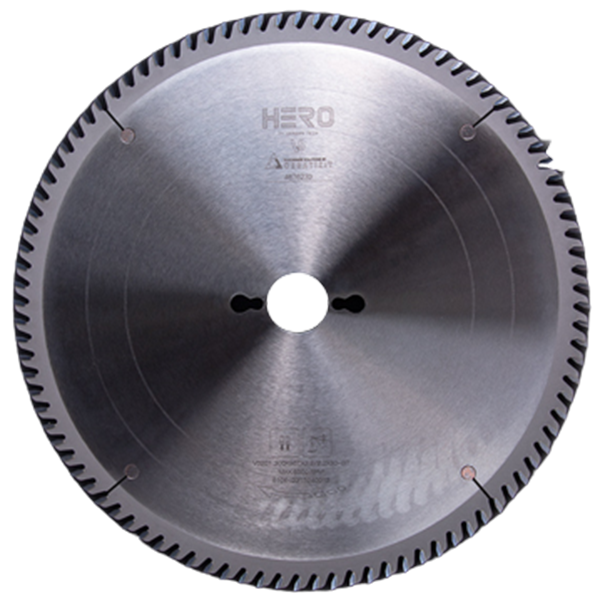
 TCT Saw Blade
 HERO Sizing Saw Blade
 HERO Panel Sizing Saw
 HERO Scoring Saw Blade
 HERO Solid Wood Saw Blade
 HERO Aluminum Saw
 Grooving Saw
 Steel Profile Saw
 Edge Bander Saw
 Acrylic Saw
 PCD Saw Blade
 PCD Sizing Saw Blade
 PCD Panel Sizing Saw
 PCD Scoring Saw Blade
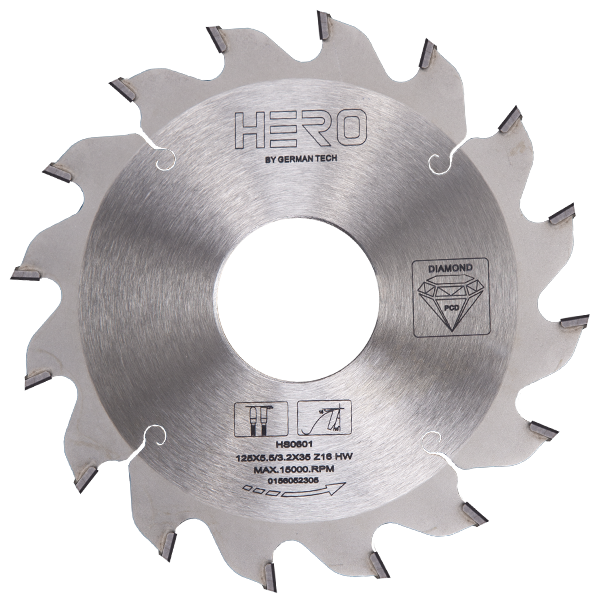 PCD Grooving Saw
 PCD Aluminum Saw
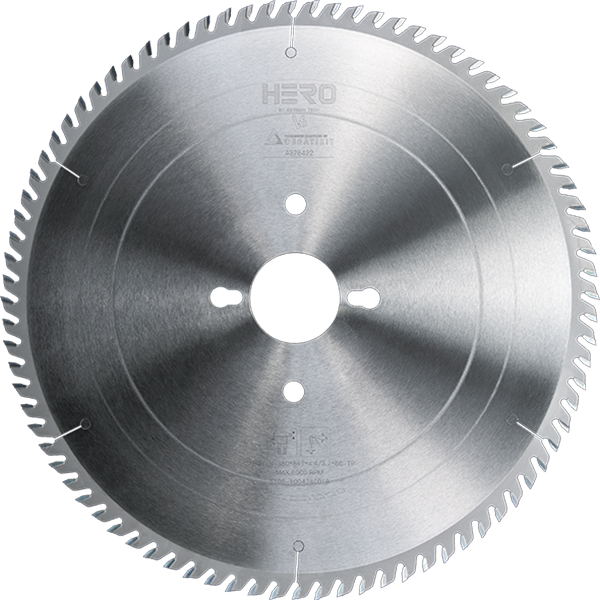 Cold Saw for Metal
 Cold Saw Blade for Ferrous Metal
 Dry Cut Saw Blade for Ferrous Metal
 Cold Saw Machine
 Drill Bits
 Dowel Drill Bits
 Through Drill Bits
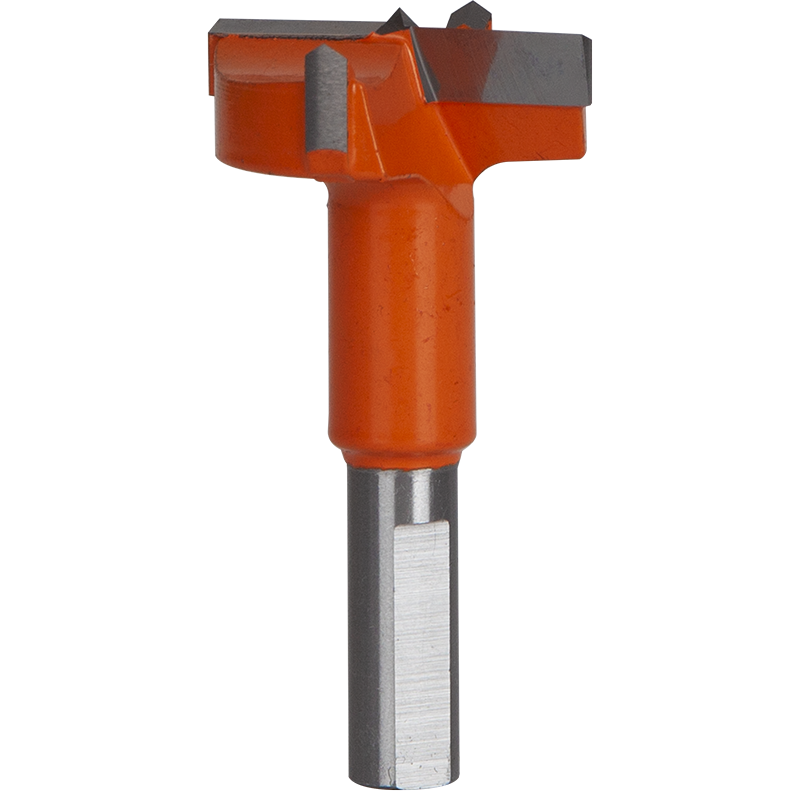 Hinge Drill Bits
 TCT Step Drill Bits
 HSS Drill Bits/ Mortise Bits
 Router Bits
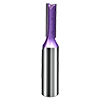 Straight Bits
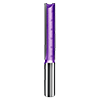 Longer Straight Bits
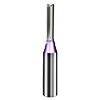 TCT Straight Bits
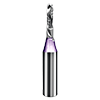 M16 Straight Bits
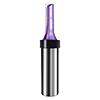 TCT X Straight Bits
 45 Degree Chamfer Bit
 Carving Bit
 Corner Round Bit
 PCD Router Bits
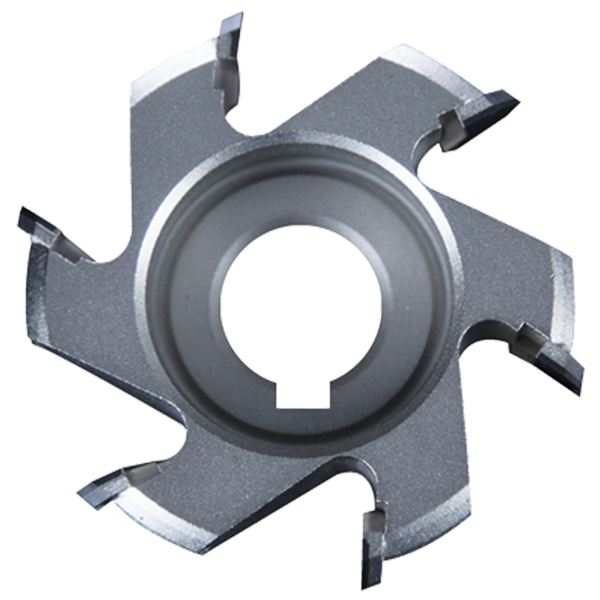 Edge Banding Tools
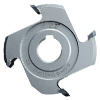 TCT Fine Trimming Cutter
 TCT Rough Trimming Cutter
 TCT Pre Milling Cutter
 Edge Bander Saw
 PCD Fine Trimming Cutter
 PCD Rough Trimming Cutter
 PCD Pre Milling Cutter
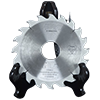 PCD Edge Bander Saw
 Other Tools & Accessories
 Drill Adapters
 Drill Chucks
 Diamond Sand Wheel
 Planer Knives
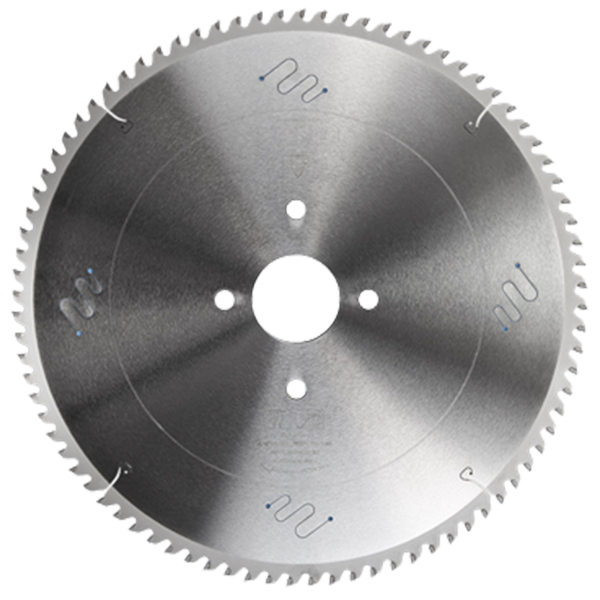
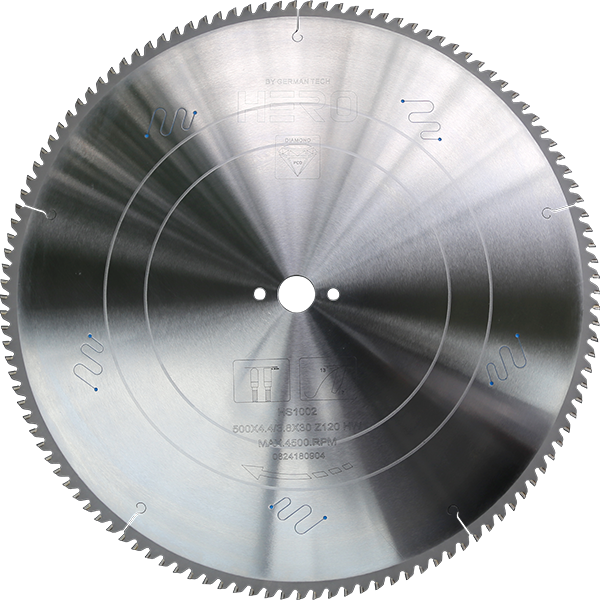



In the fields of precision woodworking and metal processing, circular saw blades are usually regarded as the "heart" of the machine. For non-professionals, a $15 saw blade bought from a local hardware store may look very similar to a $150 professional industrial-grade saw blade—both are circular, made of metal, and equipped with sharp saw teeth. However, for manufacturing professionals and seasoned enthusiasts, the differences between the two are quite significant. These differences are reflected in metallurgical technology, manufacturing tolerances, and long-term return on investment.
This article provides a structured, deep-dive comparison between Industrial-grade and DIY-grade circular saw blades across five critical dimensions.
1, Plate Material and Stress Management
The "plate" is the main body of the saw blade. Its job is to remain perfectly flat and stable while rotating at speeds often exceeding 5,000 RPM.
Industrial Grade: These blades utilize high-grade alloy tool steels, such as 75Cr1 or 86CrMoV7. These steels are chosen for their ability to maintain "memory"—meaning they return to their original flat state even after being subjected to intense heat and centrifugal force. Furthermore, industrial plates are laser-cut rather than stamped, which prevents the internal structural stresses associated with high-pressure die stamping. The most critical step here is tensioning: skilled technicians (or advanced automated systems) "roll" or hammer the plate to create internal tension that keeps the blade rigid during high-speed operation.
DIY Grade: Consumer-grade blades are typically made from standard high-carbon steels like 65Mn. To save on costs, these plates are stamped out of large sheets in a high-speed press. This process introduces significant internal stress, which often causes the blade to warp or "wobble" once it reaches operating temperatures. They rarely undergo a sophisticated tensioning process, leading to a blade that might feel "fluttery" during a heavy cut.
2, Carbide Grade and Tooth Size
The teeth of a modern saw blade are usually made of Tungsten Carbide. However, "carbide" is a broad term covering a vast spectrum of quality.
Industrial Grade: These blades employ Micro-grain or Nano-grain Carbide. By using extremely fine particles of tungsten carbide bound with cobalt, manufacturers create a tooth that is both harder and more impact-resistant. Industrial teeth are also significantly larger. This is a deliberate engineering choice: a larger tooth can be re-sharpened 15 to 25 times over its lifespan. For a B2B operation, this makes the "cost per cut" significantly lower than buying new blades.
DIY Grade: To keep the retail price low, DIY blades use "C2" or "C3" grade carbide with larger grain sizes. While initially sharp, these grains break away more easily, leading to faster dulling. Furthermore, the carbide tips are often extremely small, providing just enough material for one or two sharpenings—or in many cases, making the blade a "disposable" item meant to be thrown away once dull.
3, Cooling and Noise Reduction
Heat is the primary enemy of a circular saw blade. When a blade gets hot, the metal expands, leading to vibration and "burn marks" on the workpiece.
Industrial Grade: Look closely at an industrial blade, and you will see intricate, laser-cut expansion slots (often ending in a small circle or a "J" shape). These slots allow the plate to expand outward without buckling. Many industrial blades also feature vibration dampening slots filled with specialized polyurethane or resin. These act as shock absorbers, killing the "ring" of the blade and resulting in a "whisper-cut" experience. This stability is what allows for a "glue-line rip"—a cut so smooth that two pieces of wood can be glued together directly from the saw without sanding.
DIY Grade: These blades may have basic "knock-outs" for cooling, but they rarely feature resin-filled dampening slots. As a result, they tend to produce a high-pitched "whistling" sound and vibrate more during the cut. This vibration doesn't just make the cut rougher; it also increases the wear and tear on the saw’s motor and bearings.
4.Grinding and Brazing
How the tooth is attached and shaped determines the final finish of your material.
Brazing: Industrial blades often use tri-metal brazing (typically a layer of Silver-Copper-Silver). This "sandwich" acts as a shock absorber between the hard carbide tooth and the steel plate, preventing the tooth from shattering if it hits a hard knot or a staple. DIY blades usually use a simple, single-layer copper braze.
Grinding: Industrial teeth are ground on multi-axis CNC machines using fine-grit diamond wheels. They achieve a mirror-like finish on the carbide. This smoothness reduces friction, which in turn reduces heat. DIY blades often have visible grinding marks (ridges) on the teeth, which act like tiny sandpaper grits, creating more friction and "grabbing" the wood fibers rather than slicing them.
Although industrial-grade saw blades engineered for specific working conditions can cost ten times more than regular ones, or even more, they are capable of producing parts with extremely tight tolerances, significantly boosting machining efficiency, shortening blade replacement frequency, and thus substantially reducing the per-unit cost of saw blades from the perspective of increasing overall output.
Post time: Dec-05-2025


