
 TCT Saw Blade
 HERO Sizing Saw Blade
 HERO Panel Sizing Saw
 HERO Scoring Saw Blade
 HERO Solid Wood Saw Blade
 HERO Aluminum Saw
 Grooving Saw
 Steel Profile Saw
 Edge Bander Saw
 Acrylic Saw
 PCD Saw Blade
 PCD Sizing Saw Blade
 PCD Panel Sizing Saw
 PCD Scoring Saw Blade
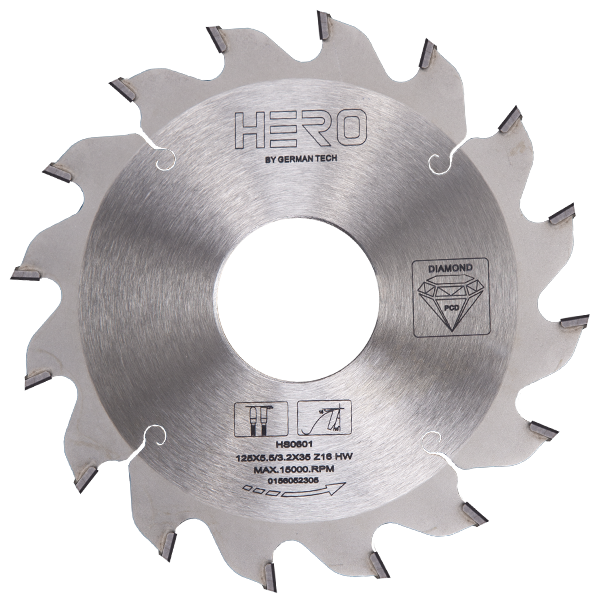 PCD Grooving Saw
 PCD Aluminum Saw
 Cold Saw for Metal
 Cold Saw Blade for Ferrous Metal
 Dry Cut Saw Blade for Ferrous Metal
 Cold Saw Machine
 Drill Bits
 Dowel Drill Bits
 Through Drill Bits
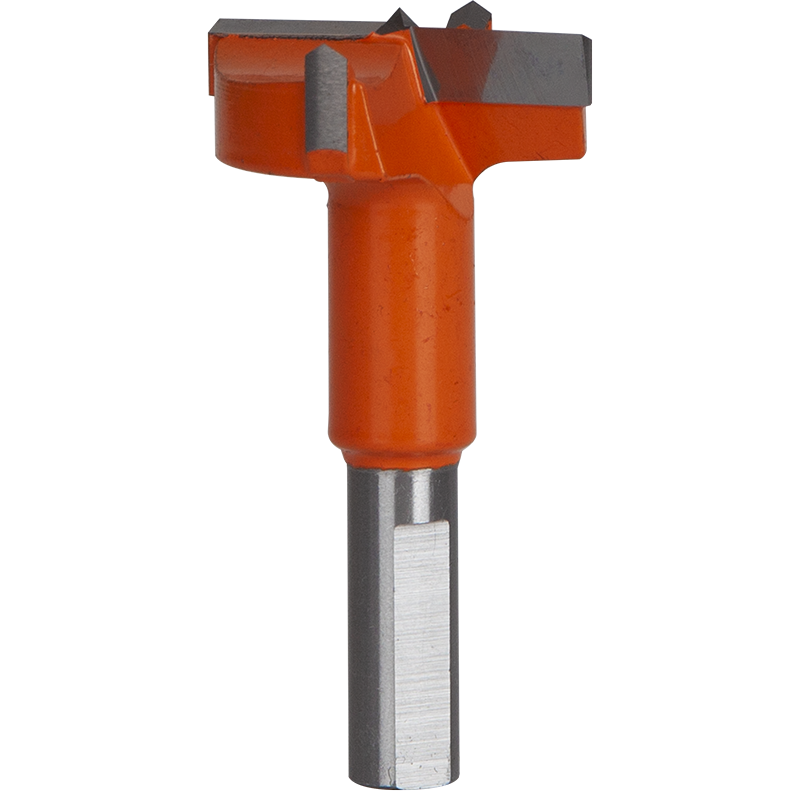 Hinge Drill Bits
 TCT Step Drill Bits
 HSS Drill Bits/ Mortise Bits
 Router Bits
 Straight Bits
 Longer Straight Bits
 TCT Straight Bits
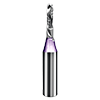 M16 Straight Bits
 TCT X Straight Bits
 45 Degree Chamfer Bit
 Carving Bit
 Corner Round Bit
 PCD Router Bits
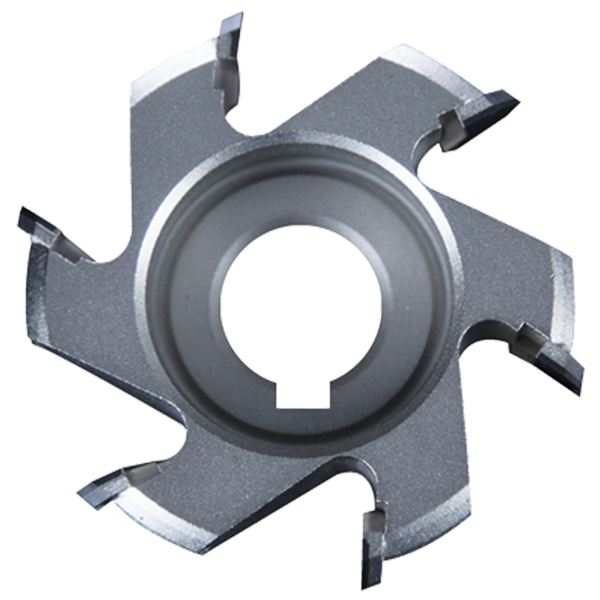 Edge Banding Tools
 TCT Fine Trimming Cutter
 TCT Rough Trimming Cutter
 TCT Pre Milling Cutter
 Edge Bander Saw
 PCD Fine Trimming Cutter
 PCD Rough Trimming Cutter
 PCD Pre Milling Cutter
 PCD Edge Bander Saw
 Other Tools & Accessories
 Drill Adapters
 Drill Chucks
 Diamond Sand Wheel
 Planer Knives
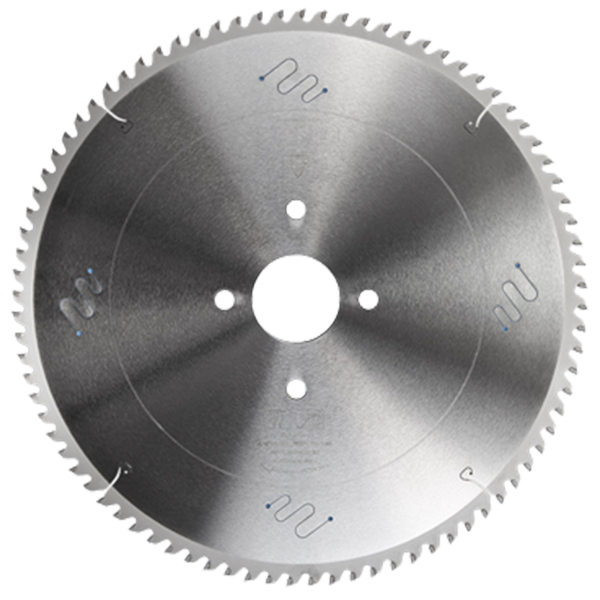
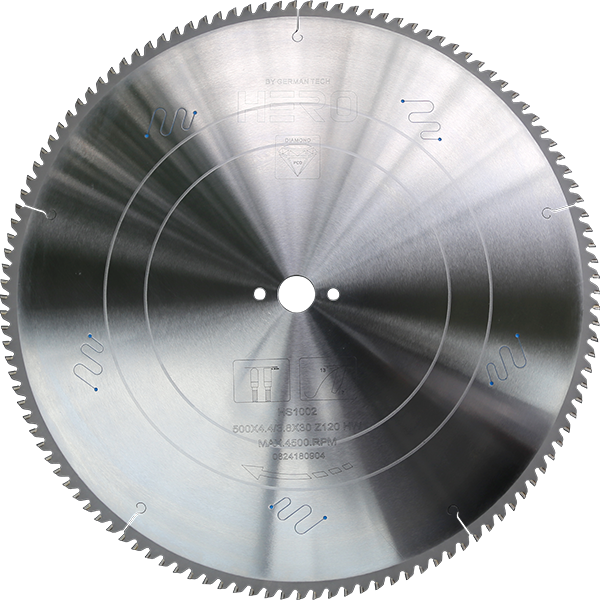
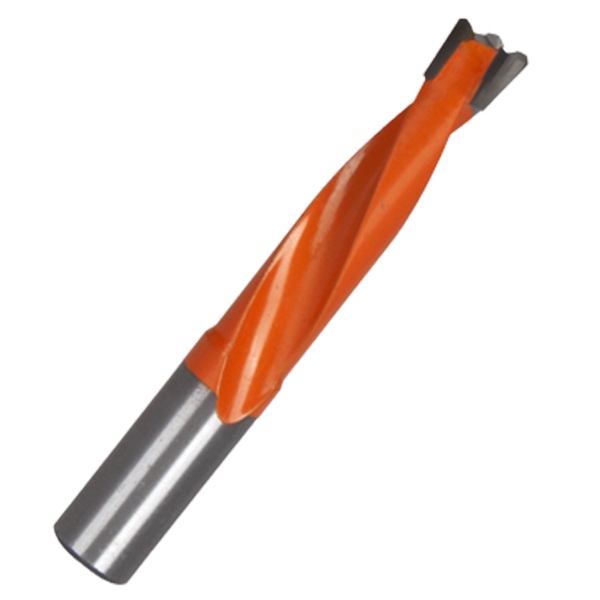

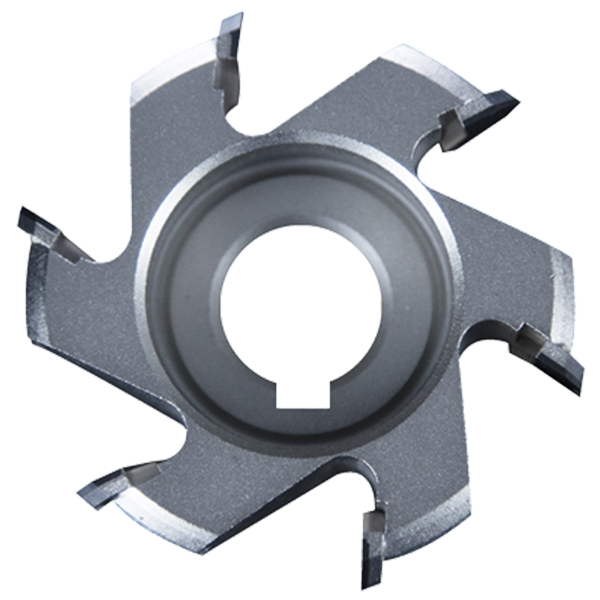


In the precision manufacturing sector, the industrial circular saw blade is often viewed as a consumable commodity. However, from an engineering perspective, it is a complex composite tool where metallurgy, geometry, and tensioning mechanics must converge.
For procurement professionals and industrial distributors, understanding the global landscape of saw blade manufacturing is not about brand loyalty; it is about understanding regional specialization. Different countries—and specifically, different industrial clusters within those countries—have evolved distinct manufacturing philosophies based on their local resources, industrial history, and end-user demands.
This report outlines the current hierarchy of global saw blade production, analyzes the regional segmentation within China, and examines the specific role of the Sichuan industrial cluster.
I. The Established Global Tiers: Three Distinct Philosophies
The high-end market has historically been dominated by three regions, each contributing a specific technological philosophy to the industry.
1. Germany: The System Integrators (Stability) German manufacturing (represented by industry standards like Leitz or Leuco) views the saw blade not as an isolated tool, but as part of a larger machining system.
-
Engineering Focus: The priority is stability over absolute sharpness. German blades emphasize the quality of the steel body (the plate). Through advanced heat treatment and flattening processes, they ensure the blade maintains strict tolerances even after resharpening.
-
Key Characteristic: High reliability in automated production lines where downtime is the most expensive variable.
2. Italy: The Application Specialists (Design) Driven by a massive domestic furniture and woodworking industry, Italian manufacturers (such as Freud or Stark) have excelled in specific application designs.
-
Engineering Focus: Italy leads in coating technologies (to reduce friction and resin buildup) and anti-vibration designs. They pioneered “sandwich” brazing (silver-copper-silver) to prevent tip loss during the cutting of hardwoods.
-
Key Characteristic: Exceptional performance in woodworking and non-ferrous metals (aluminum), focusing on finish quality.
3. Japan: The Precision Minimalists (Material Science) Resource scarcity drove Japanese engineering (brands like Kanefusa or Tenryu) toward efficiency.
-
Engineering Focus: Japan dominates Thin Kerf technology (minimizing waste) and Cermet (ceramic-metal) metallurgy. Their tensioning technology is unique, allowing thinner plates to spin true without wobbling.
-
Key Characteristic: Unmatched precision in metal cutting (Cold Saws) and electronic materials, though often requiring higher-precision machinery to operate effectively.
II. The Chinese Landscape: From Volume to Segmentation
China has moved past the phase of being a monolithic provider of “low-cost tools.” The current Chinese saw blade industry is defined by hyper-specialization. Manufacturers have clustered into specific geographical zones, each dedicated to a distinct type of cutting technology.
To navigate the Chinese supply chain, one must understand this “Industrial Map”:
-
The Hebei Cluster (Tangshan): This region is the heavy industry hub. It specializes in Metal Cutting. Factories here focus on High-Speed Steel (HSS) and heavy-duty cold saws for steel pipes and solid bars. The technology here is robust, focusing on heat resistance and structural integrity for ferrous metals.
-
The Jiangsu Cluster (Danyang): This is the global center for Superabrasives. Danyang dominates the market for sintered diamond blades used in construction (concrete, granite, asphalt). The production here is volume-driven, utilizing massive sintering furnaces.
-
The East China Cluster (Hangzhou/Shanghai): This region hosts a mix of general-purpose carbide saw blade manufacturers, serving the broad woodworking and DIY markets with a focus on supply chain speed and variety.
III. The Sichuan Cluster: The Precision Woodworking & PCD Hub
Moving inland to Southwest China, specifically the Chengdu-Sichuan region, the manufacturing DNA changes significantly.
Sichuan is the home of the Chengdu Tool Research Institute, a leading national institution for cutting tool research. Furthermore, the region is one of China’s largest bases for panel furniture manufacturing. This combination of academic research and high-demand local end-users has created a cluster focused on Precision Woodworking and Advanced Materials.
The Sichuan Difference: Unlike the heavy metal focus of Tangshan or the construction focus of Danyang, Sichuan manufacturers specialize in:
-
Complex Geometries: Influenced by the research institutes, factories here place heavy emphasis on tooth geometry (hook angles, relief angles) to solve specific cutting problems.
-
PCD (Polycrystalline Diamond): Because modern furniture uses abrasive materials (like particle board and MDF), Sichuan has become the premier hub for PCD tools. These factories utilize Electrical Discharge Machining (EDM) rather than traditional grinding, enabling the processing of ultra-hard materials.
IV. Case Study: Koocut (Sichuan)
Within this specialized Sichuan ecosystem, Koocut serves as a representative example of the region’s manufacturing capabilities.
As a manufacturer rooted in the Sichuan technical tradition, Koocut illustrates how Chinese factories are moving up the value chain by focusing on difficult-to-machine materials rather than general-purpose cutting.
Specific Areas of Competence:
-
Fiber Cement Board Solutions: Cutting fiber cement is notoriously difficult due to its high abrasive content, which destroys standard carbide edges rapidly. Leveraging the region’s expertise in Polycrystalline Diamond (PCD), Koocut produces specialized PCD blades designed specifically for the construction and cladding industries. These blades offer significantly extended service life compared to traditional TCT blades, addressing a major pain point in the building sector.
-
Dry Cut Metal Cold Saws: While many Chinese factories produce standard metal blades, the “Dry Cut” application requires a higher level of heat dissipation and tip stability. Koocut utilizes high-grade Cermet tips and specialized body tensioning processes—technologies typically associated with Japanese manufacturing—to produce dry cut blades capable of cutting steel without liquid coolants. This requires strict control over the blade’s “run-out” (wobble) to prevent tip breakage during high-speed, high-heat operation.
Summary for Procurement
The global saw blade market is no longer a binary choice between “High Quality/High Cost” Western brands and “Low Quality/Low Cost” Asian alternatives.
The market has evolved into a matrix of specializations. For applications requiring systemic stability, Germany remains the benchmark. For ultra-thin precision, Japan leads. However, for specialized, high-wear applications like fiber cement or dry metal cutting, the specialized clusters within China—specifically the Sichuan region represented by manufacturers like Koocut—offer a technical maturity that rivals international standards, providing a viable alternative for industrial-grade performance.
Post time: Dec-21-2025


