
-
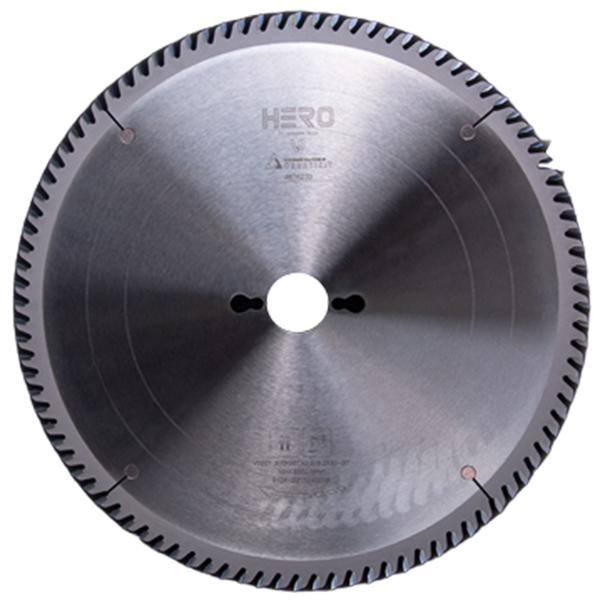 TCT Saw Blade
-
 PCD Saw Blade
-
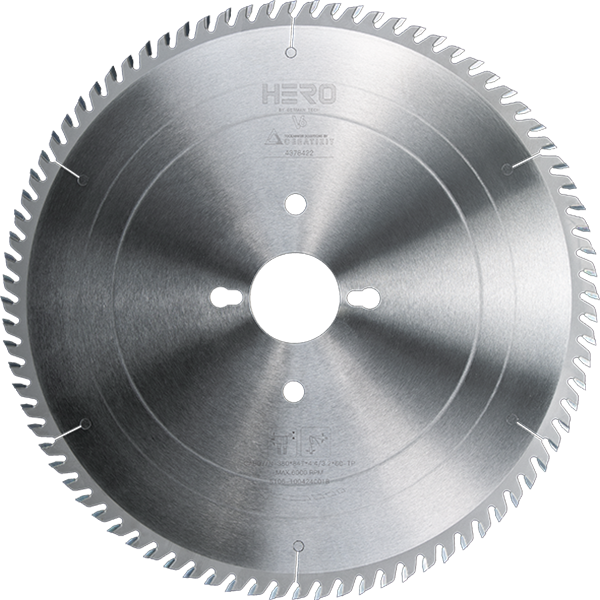 Cold Saw for Metal
-
 Drill Bits
-
 Router Bits
-
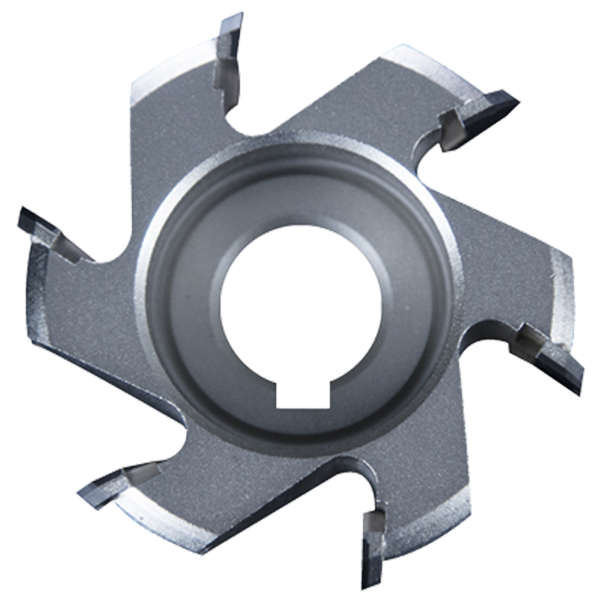 Edge Banding Tools
-
 Other Tools & Accessories
 HERO Sizing Saw Blade
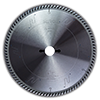 HERO Panel Sizing Saw
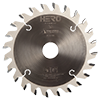 HERO Scoring Saw Blade
 HERO Solid Wood Saw Blade
 HERO Aluminum Saw
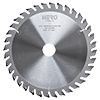 Grooving Saw
 Steel Profile Saw
 Edge Bander Saw
 Acrylic Saw
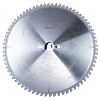 PCD Sizing Saw Blade
 PCD Panel Sizing Saw
 PCD Scoring Saw Blade
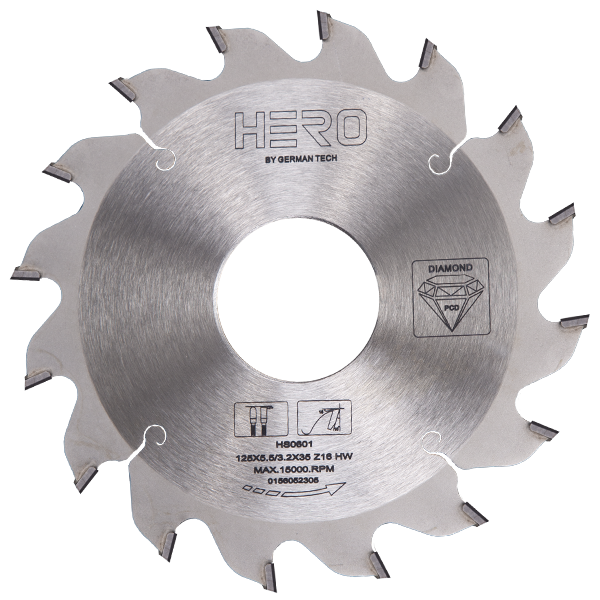 PCD Grooving Saw
 PCD Aluminum Saw
 Cold Saw Blade for Ferrous Metal
 Dry Cut Saw Blade for Ferrous Metal
 Cold Saw Machine
 Dowel Drill Bits
 Through Drill Bits
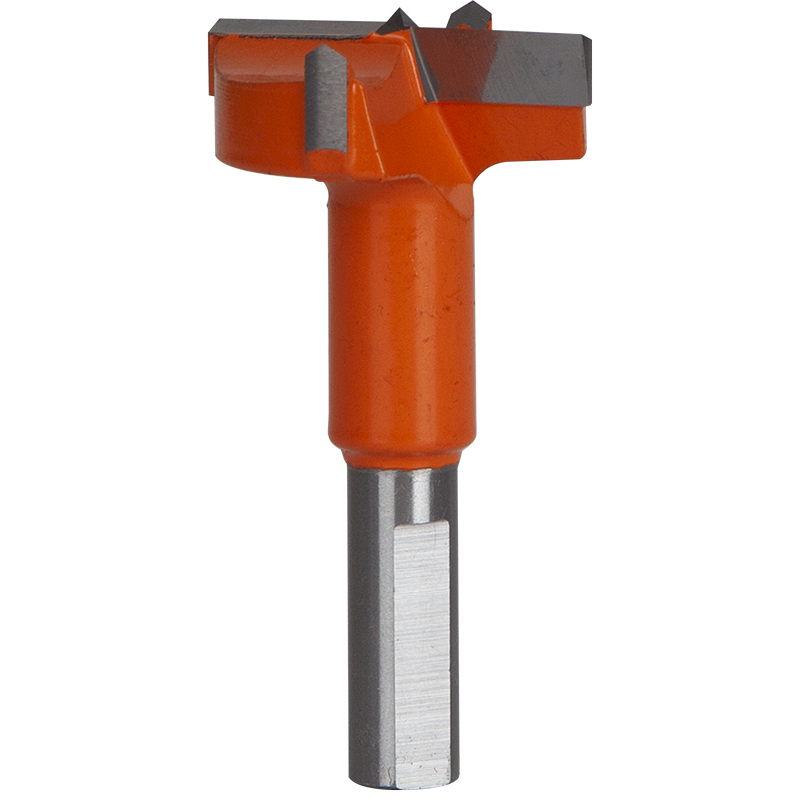 Hinge Drill Bits
 TCT Step Drill Bits
 HSS Drill Bits/ Mortise Bits
 Straight Bits
 Longer Straight Bits
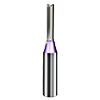 TCT Straight Bits
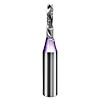 M16 Straight Bits
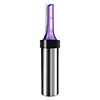 TCT X Straight Bits
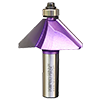 45 Degree Chamfer Bit
 Carving Bit
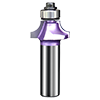 Corner Round Bit
 PCD Router Bits
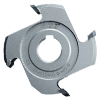 TCT Fine Trimming Cutter
 TCT Rough Trimming Cutter
 TCT Pre Milling Cutter
 Edge Bander Saw
 PCD Fine Trimming Cutter
 PCD Rough Trimming Cutter
 PCD Pre Milling Cutter
 PCD Edge Bander Saw
 Drill Adapters
 Drill Chucks
 Diamond Sand Wheel
 Planer Knives
-
Featured Product
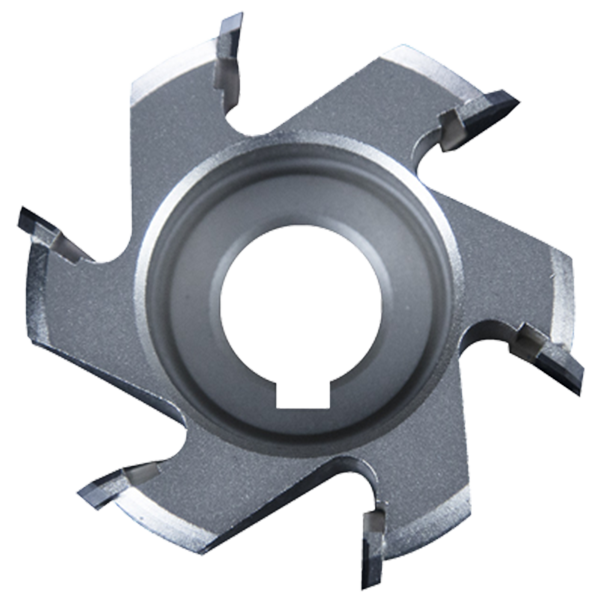
PCD Fine Trimming Cutter For Edge Banding Machine Wood Edging

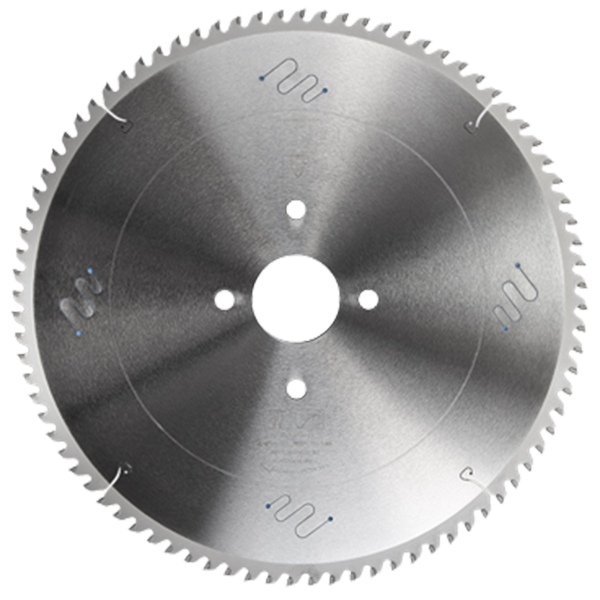
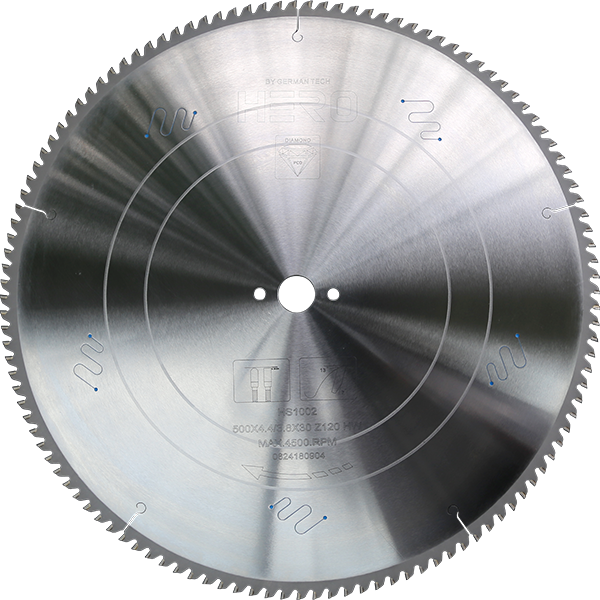


What is the Difference Between TCT, Cermet, and PCD Tooth Materials in Saw Blades?
Tungsten Carbide (TCT) delivers baseline impact fracture toughness; Titanium Carbonitride Cermet maximizes high-speed thermal and anti-welding resistance in steel; Polycrystalline Diamond (PCD) provides ultra-extreme Vickers hardness and wear life across abrasive non-ferrous and composite media.
The Triad of Circular Saw Blade Teeth
Selecting the optimal cutting edge demands balancing three contradictory physical characteristics: indentation hardness, fracture toughness ($K_{1C}$), and high-temperature chemical inertness. No single tooth material rules every production line.
TCT (Tungsten Carbide)
TCT teeth are composite metallurgical compacts composed of submicron-to-coarse tungsten monocarbide (WC) grains embedded within a ductile cobalt (Co) metallic matrix. The ductile cobalt phase provides high fracture toughness, allowing TCT to withstand extreme mechanical shocks, interrupted timber cuts, heavy knots, and erratic feeds without micro-chipping.
Cermet (Ceramic-Metallic)
Cermet bridges structural ceramics and powder metallurgy. Built on a titanium carbonitride core [Ti(C,N)] surrounded by complex (Ti,Mo,W)(C,N) shell phases and cemented with Ni-Co binders, it displays negligible affinity toward ferrous iron. It resists built-up edge (BUE), withstands cutting heat past 900°C, and yields mirror-like finishes in dry cold-sawing of steel bars and solid profiles.
PCD (Polycrystalline Diamond)
PCD teeth represent the apex of mechanical abrasion resistance. Formed via ultra-high-pressure high-temperature (HPHT) synthetic processing, randomly oriented micron-sized synthetic diamond crystals form direct sp³ covalent diamond-to-diamond carbon bridges. Backed by a structural carbide carrier, it yields 30x to 50x the operating lifespan of carbide when sawing high-silicon aluminium, composites, and dense MDF boards.
Physical Parameter Matrix: TCT vs Cermet vs PCD
Compare the fundamental mechanical properties that govern cutting speed capacity, feed per tooth ($f_z$), resistance to plastic deformation, and catastrophic tooth fracture.
| Physical Parameter | TCT (WC-Co Grade K10–P30) | Cermet [Ti(C,N)-based] | PCD (HPHT Diamond Compact) |
|---|---|---|---|
| Vickers Hardness (HV30) | 1,200 – 1,650 HV Standard Hardness | 1,600 – 1,950 HV High Hot-Hardness | 5,000 – 8,000 HV Extreme Hardness |
| Fracture Toughness ($K_{1C}$) | 8.5 – 12.5 MPa·m½ Maximum Shock Absorption | 5.5 – 8.0 MPa·m½ Moderate Shock Capacity | 4.5 – 6.0 MPa·m½ Brittle / Low Impact |
| Thermal Stability Threshold | 500°C – 600°C (Softens/Oxidizes) | 900°C – 1,050°C (Stable Oxidation) | 680°C – 720°C (Graphitization in Air) |
| Chemical Affinity with Fe (Iron) | Moderate (Diffusion wear at high $V_c$) | Extremely Low (Zero welding/adhesion) | Severe (Catalytic reaction <650°C) |
| Thermal Conductivity (W/m·K) | 70 – 100 W/m·K | 25 – 40 W/m·K (Directs heat into chips) | 500 – 700 W/m·K (Instant heat dissipation) |
| Young’s Elastic Modulus (GPa) | 550 – 620 GPa | 400 – 480 GPa | 750 – 900 GPa (Extreme Rigidity) |
| Primary Wear Mechanism | Mechanical Abrasion & Micro-chipping | Edge Chipping if Vibrations Occur | Micro-spalling, Carbon Reaction with Fe |
Sintering Kinetics & Chemical Phase Phenomena
True optimization of saw blade tooling requires examining tooth composition at atomic and submicron granular levels.
The HPHT Synthesis of PCD on WC Substrates
Polycrystalline Diamond (PCD) is not a simple solid diamond nugget brazed to steel. It is an engineered bi-layer composite produced in cubic or belt-type presses under extreme thermodynamic parameters: pressures reaching 5.0 to 6.5 Gigapascals (GPa) and temperatures exceeding 1,400°C to 1,550°C.
During this High-Pressure High-Temperature (HPHT) cycle, synthetic micronized diamond grains undergo catalytic liquid-phase sintering. Molten cobalt from the adjacent tungsten carbide substrate infiltrates the diamond powder layer. The cobalt functions as a solvent catalyst, dissolving unstable graphite structures and facilitating direct diamond-to-diamond carbon bonding ($sp^3$ hybridization).
Cermet’s Chemical Inertness to Ferrous Alloys
Standard tungsten carbide (WC-Co) degrades rapidly when cold-cutting carbon steel profiles at high surface speeds ($V_c > 120\text{ m/min}$). At cutting interface temperatures exceeding 600°C, a strong atomic affinity triggers chemical diffusion: iron atoms from the workpiece diffuse into the cobalt binder of the carbide tooth, causing severe leaching, thermal cratering, and built-up edge (BUE) formation.
Cermet completely circumvents this issue. Its principal hard phase is Titanium Carbonitride [Ti(C,N)], a ceramic compound exhibiting remarkable free-energy stability and virtually zero chemical solubility with molten iron. The binder phase—composed of nickel, molybdenum, and minimal cobalt—resists ferrous smearing and atomic migration.
Substrate Matching & Operational Cost-Performance
Material properties dictate field economics. Tooling selection is a balance between initial acquisition capital, production output, and sharpening changeout cycles.
Wood & MDF Panels
Raw solid timber with uneven grain and foreign inclusions favors the high fracture toughness of TCT. However, high-volume CNC nesting and panel sizing of binder-rich MDF, HDF, and particleboard favor PCD, where diamond tips routinely cut 300,000 to 500,000 linear meters between service cycles.
Ferrous Steels & Tubes
Dry cold-sawing of carbon steels (AISI 1018, 1045), alloy structural hollow sections, and stainless pipe demands Cermet. TCT degrades under severe friction heat, and PCD chemically breaks down into graphite when exposed to the molten iron chips. Cermet ensures rapid cycle times with clean, burr-free square cuts.
Aluminium & Non-Ferrous
For structural profiles, extruded window extrusions, and billets, micro-grain TCT is widely utilized for general fabrication. However, for abrasive high-silicon casting alloys (Si > 9%), aerospace plate saw mills rely on PCD to stop abrasive micro-grooving and eliminate edge welding.
Abrasive Composites
Carbon fiber (CFRP), glass fiber (GFRP), fiber cement boards, and laminate flooring wear tungsten carbide down within minutes due to aggressive micro-fracturing. PCD is mandatory for these abrasive materials, delivering sustained edge sharpness and eliminating delamination defects across long runs.
How Production Engineers Choose the Correct Tooth Grade
Follow this 4-step engineering rubric to choose between TCT, Cermet, and PCD saw blades, accounting for machine stability, spindle power, and workpiece variables.
Evaluate Spindle & Clamping Rigidity
Both PCD and Cermet have lower fracture toughness ($K_{1C} < 8.0\text{ MPa}\cdot\text{m}^{1/2}$). If your saw exhibits radial spindle runout greater than 0.03 mm, unstable manual work clamping, or structural vibration, select TCT. PCD or Cermet teeth will chip along the cutting edge under excessive mechanical flutter.
Identify Workpiece Chemistry
If the workpiece contains iron (Fe)—such as carbon steel, tool steel, cast iron, or stainless steel profiles—immediately rule out PCD. Use Cermet for high-speed CNC cold sawing, or select an impact-modified coated TCT for heavy, interrupted structural steel sections.
Calculate Surface Cutting Speed ($V_c$)
At low-to-moderate peripheral cutting speeds, TCT provides reliable chip clearance. But when modern machining centers demand high productivity—pushing non-ferrous speeds past $V_c = 2,500\text{ m/min}$ or panel feed rates past 80 m/min—only PCD preserves its cutting geometry without overheating.
Calculate Total Cost per Cut
Do not judge tooling solely on initial purchase invoice. PCD often costs 5x to 8x more than TCT, but by running continuously for 40 production shifts without downtime, sharpening turnarounds, or tool changes, it frequently delivers a 60% lower total cost-per-cut in continuous industrial production.
Frequently Addressed Tooling Questions
In-depth technical answers addressing tooth chipping, regrinding workflows, and high-temperature chemical reactions.
Why does Cermet exhibit sensitivity to micro-chipping during interrupted cuts?
Cermet’s hard matrix is built on Titanium Carbonitride [Ti(C,N)], which features covalent ceramic bonding characterized by strong directional electron orbitals. This provides high hot-hardness, but limits internal shear plane dislocation slip under shock loading. Its critical fracture toughness ($K_{1C}$) measures approximately 5.5 to 8.0 MPa·m½, significantly below impact-grade Tungsten Carbides (which reach 10 to 13 MPa·m½). When a Cermet saw blade enters heavy mechanical interruptions, intermittent weld seams, or experiences spindle backlash, the cutting edge cannot plastically deform to relieve peak stresses, resulting in localized micro-spalling or chipped teeth.
Why does PCD degrade catastrophically when cutting steel or ferrous metals?
Diamond is pure carbon crystallized in an $sp^3$ tetrahedral lattice. When sawing ferrous metals (carbon steel, tool steels, iron castings), mechanical friction quickly pushes localized cutting zone temperatures past 650°C–700°C. In the presence of pure iron (Fe), a rapid catalytic inverse reaction occurs: iron acts as a catalyst converting metastable diamond carbon into stable $sp^2$ graphite. Concurrently, carbon atoms dissolve directly into the solid iron lattice via carbon-iron solid diffusion. As this chemical wear process takes hold, the razor edge of the PCD diamond tip dissolves rapidly within seconds.
How do regrinding procedures and resharpening costs compare across TCT, Cermet, and PCD?
TCT blades can be resharpened up to 10 to 15 times on standard multi-axis CNC grinding machines using resin-bonded synthetic diamond (borazon/diamond) wheels with standard emulsion coolant. Cermet requires specialized fine-grit diamond grinding wheels running with stable coolant management to prevent thermal micro-cracking across its ceramic composite boundaries. Conversely, PCD cannot be ground efficiently using conventional abrasives due to its equivalent hardness. Sharpening PCD teeth demands high-precision Rotary Wire or Disc Electrical Discharge Machining (EDM/EDG) or ultra-short picosecond industrial Laser ablation systems. While sharpening PCD costs 5x to 8x more per cycle, it yields up to 30x the operational run time between service intervals.
Can a factory swap TCT blades with Cermet blades on conventional manual saws?
Generally, direct retrofits on conventional manual pull-down saws are not advised. Cermet blades require rigid, precision-controlled, high-torque industrial cold saw machinery featuring hydraulic continuous mechanical feeding, high-damping cast-iron foundations, and minimal spindle runout (<0.02 mm). Manual pull-down feed actions create uneven feed rates per tooth ($f_z$), which readily causes the brittle Ti(C,N) ceramic edge of a Cermet blade to fracture when entering or exiting solid steel stock.


