
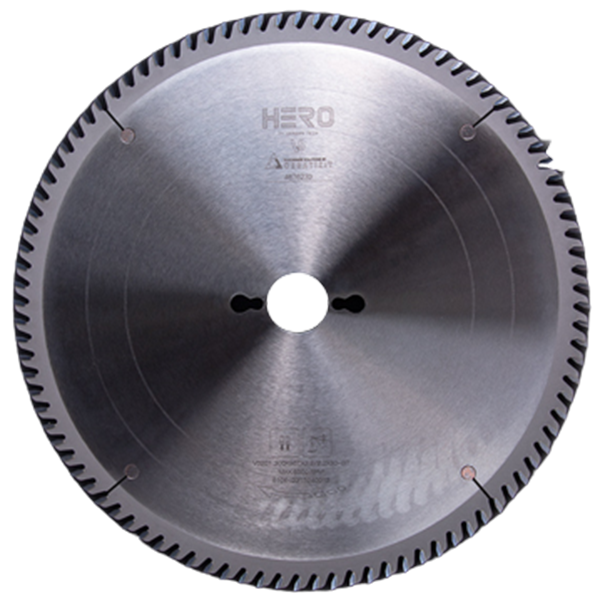
 TCT Saw Blade
 HERO Sizing Saw Blade
 HERO Panel Sizing Saw
 HERO Scoring Saw Blade
 HERO Solid Wood Saw Blade
 HERO Aluminum Saw
 Grooving Saw
 Steel Profile Saw
 Edge Bander Saw
 Acrylic Saw
 PCD Saw Blade
 PCD Sizing Saw Blade
 PCD Panel Sizing Saw
 PCD Scoring Saw Blade
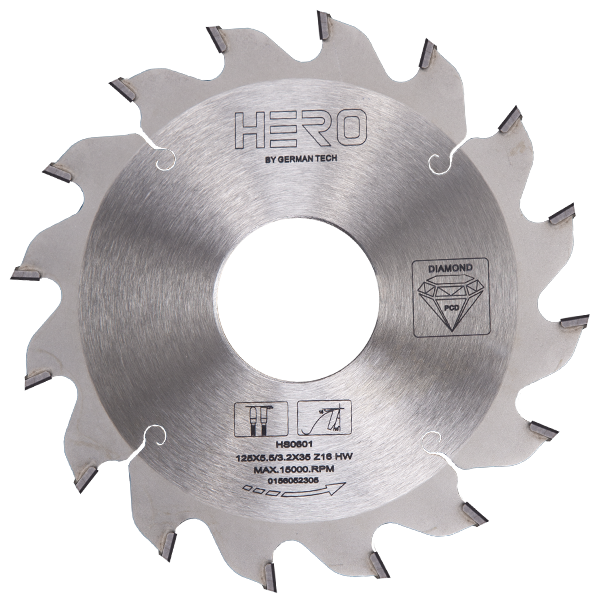 PCD Grooving Saw
 PCD Aluminum Saw
 Cold Saw for Metal
 Cold Saw Blade for Ferrous Metal
 Dry Cut Saw Blade for Ferrous Metal
 Cold Saw Machine
 Drill Bits
 Dowel Drill Bits
 Through Drill Bits
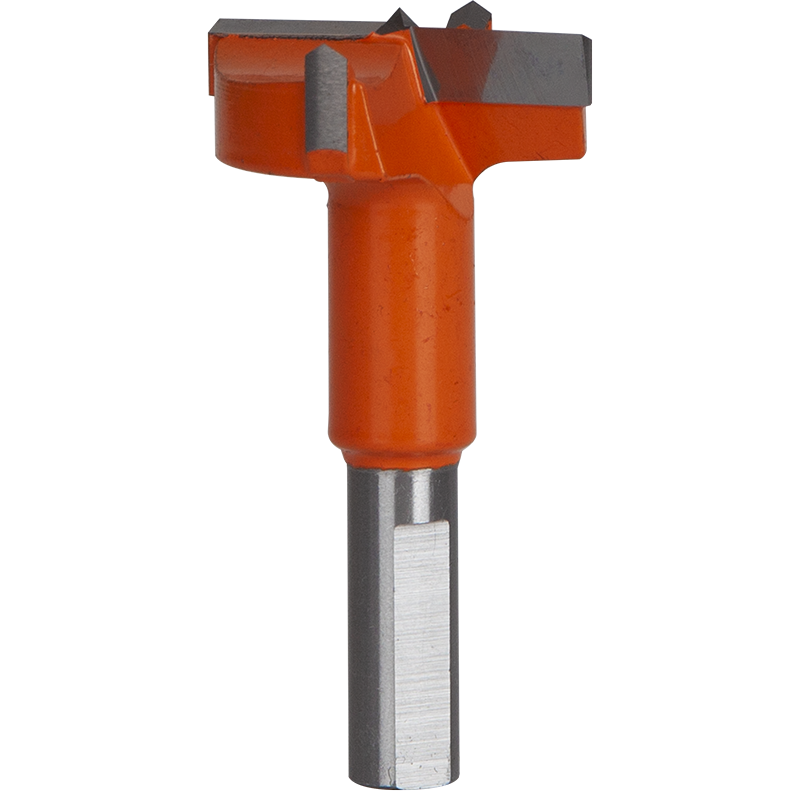 Hinge Drill Bits
 TCT Step Drill Bits
 HSS Drill Bits/ Mortise Bits
 Router Bits
 Straight Bits
 Longer Straight Bits
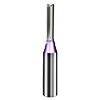 TCT Straight Bits
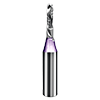 M16 Straight Bits
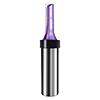 TCT X Straight Bits
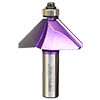 45 Degree Chamfer Bit
 Carving Bit
 Corner Round Bit
 PCD Router Bits
 Edge Banding Tools
 TCT Fine Trimming Cutter
 TCT Rough Trimming Cutter
 TCT Pre Milling Cutter
 Edge Bander Saw
 PCD Fine Trimming Cutter
 PCD Rough Trimming Cutter
 PCD Pre Milling Cutter
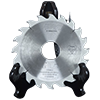 PCD Edge Bander Saw
 Other Tools & Accessories
 Drill Adapters
 Drill Chucks
 Diamond Sand Wheel
 Planer Knives
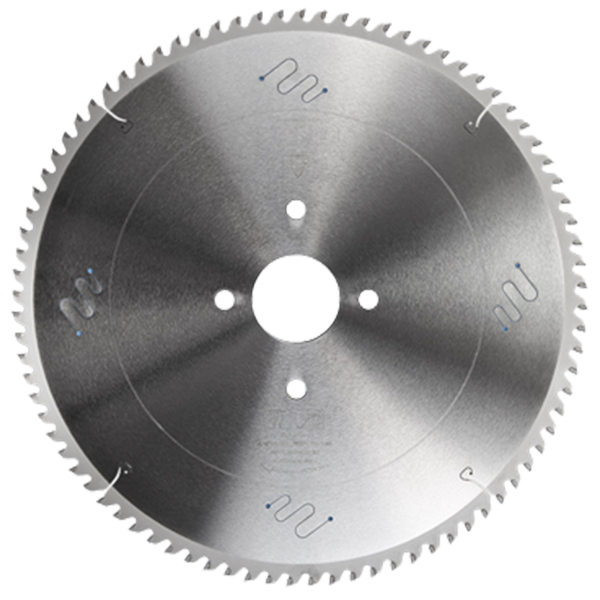
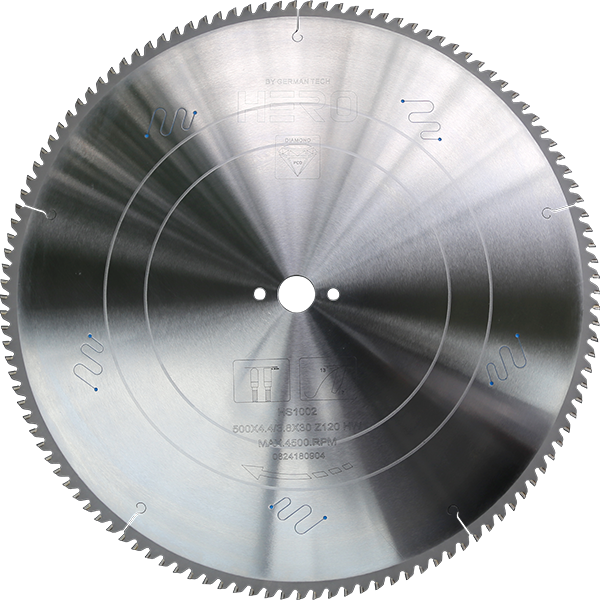


Comprehensive sawing troubleshooting guide. This article analyzes the causes of crooked cuts and broken teeth, providing professional solutions from equipment maintenance to parameter adjustment to improve sawing quality and efficiency.
Introduction
In metal sawing operations, cutting accuracy and blade lifespan directly impact production efficiency and manufacturing costs. Mastering scientific sawing troubleshooting methods is crucial for ensuring stable production line operation. This article will delve into the two most common pain points on the industrial floor—crooked cuts and broken teeth—analyzing their causes and providing practical solutions.
Analysis and Countermeasures for Crooked Cuts
Crooked cuts are a common quality issue during the sawing process, usually caused by improper equipment condition, material state, or parameter settings. Below are the main causes and corresponding solutions:
Improper Blade Installation
When the blade plane is not perpendicular to the feeding direction, crooked cuts are highly likely to occur.
Solution: Clean the mounting surface thoroughly and reinstall the blade according to standard procedures.
Uneven Flanges or Loss of Clamping Block Precision
If the gaps on both sides of the flange are inconsistent, the blade will be pulled to one side during rotation.
Solution: Repair or replace the flange, and readjust the precision of the clamping blocks.
Deformed or Bent Workpiece Material
Non-standard materials are prone to shifting during feeding, causing uneven force distribution on the blade.
Solution: Strictly control incoming material quality and select high-quality materials that meet standard specifications.
Unreasonable Sawing Parameters
Mismatched cutting speed and feed rate parameters can cause the blade to deviate.
Solution: Recalibrate the correct cutting parameters based on the physical properties of the material being cut.
Worn or Misaligned Side Clamps
Worn or misaligned clamps fail to guide the blade effectively.
Solution: Promptly repair or replace the clamp components of the equipment.
Insufficient Blade Rigidity or Poor Grinding Precision
Inherent quality defects in the blade itself can also be a potential cause of crooked cuts.
Solution: Communicate with the blade manufacturer to improve the manufacturing process and quality of the blade.
Causes and Solutions for Chipped and Broken Teeth
Chipped and broken teeth not only interrupt production but can also damage the workpiece or equipment. When conducting sawing troubleshooting, the following factors must be prioritized:
Loose Machine Cover Screws
Under high-speed rotational vibration, loose screws can cause component displacement, leading to broken teeth.
Solution: Regularly inspect and thoroughly tighten the machine cover screws.
Blunted Edges or Improper Parameters
Continuing to cut with a blunt edge causes overload, making the tooth tips bear excessive stress and chip.
Solution: Replace the blade promptly and adjust to reasonable cutting parameters.
Mismatched Specifications or Improper Installation
Choosing the wrong blade specification or making installation errors can directly lead to premature broken teeth.
Solution: Strictly select the correct specification according to equipment requirements and pay attention to installation details.
Unstable Workpiece Clamping
Loose workpieces or surface impurities generate impact forces during cutting, causing chipped teeth.
Solution: Inspect the clamping mechanism, clean impurities, and enhance operators’ standardized skills.
Unbroken-in New Blades
The microstructure of a new blade is irregular; direct full-load cutting can easily cause premature chipping.
Solution: Strictly execute the break-in procedure: control the initial cutting volume at 80%, then gradually increase to full load.
Insufficient Cooling
Insufficient coolant flow or clogged nozzles can cause tooth tip temperatures to exceed the tempering temperature, leading to annealing softening and broken teeth.
Solution: Regularly check coolant flow and ensure nozzles are unobstructed and correctly aimed at the cutting zone.
Summary and Maintenance Recommendations
Effective sawing troubleshooting requires systematic thinking. Whether addressing the causes of crooked cuts or broken teeth causes, the core lies in the comprehensive synergy of “personnel, equipment, materials, and methods.” It is recommended that enterprises establish a regular equipment inspection system, standardize blade installation and break-in procedures, and dynamically optimize cutting parameters based on material characteristics. Only by combining preventive maintenance with scientific troubleshooting can blade lifespan be maximized, ensuring efficient and high-precision sawing production.
Post time: Aug-05-2026


