
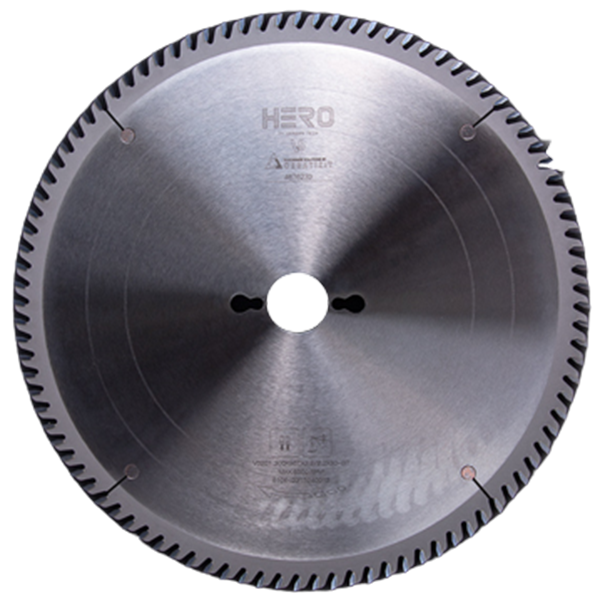
 TCT Saw Blade
 HERO Sizing Saw Blade
 HERO Panel Sizing Saw
 HERO Scoring Saw Blade
 HERO Solid Wood Saw Blade
 HERO Aluminum Saw
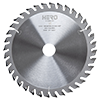 Grooving Saw
 Steel Profile Saw
 Edge Bander Saw
 Acrylic Saw
 PCD Saw Blade
 PCD Sizing Saw Blade
 PCD Panel Sizing Saw
 PCD Scoring Saw Blade
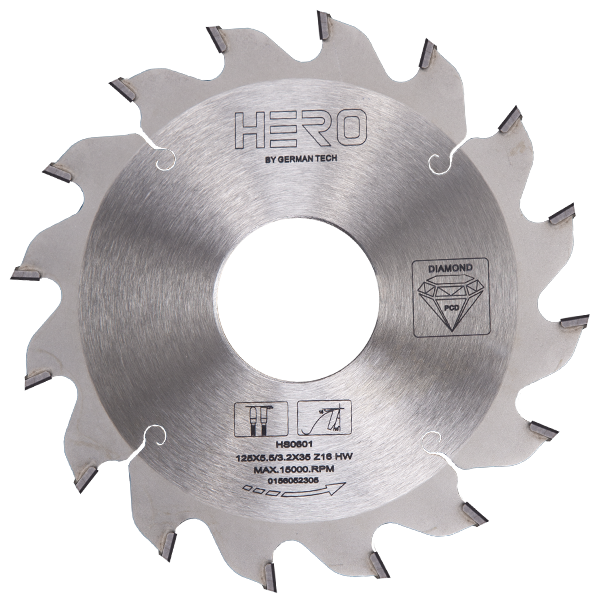 PCD Grooving Saw
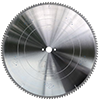 PCD Aluminum Saw
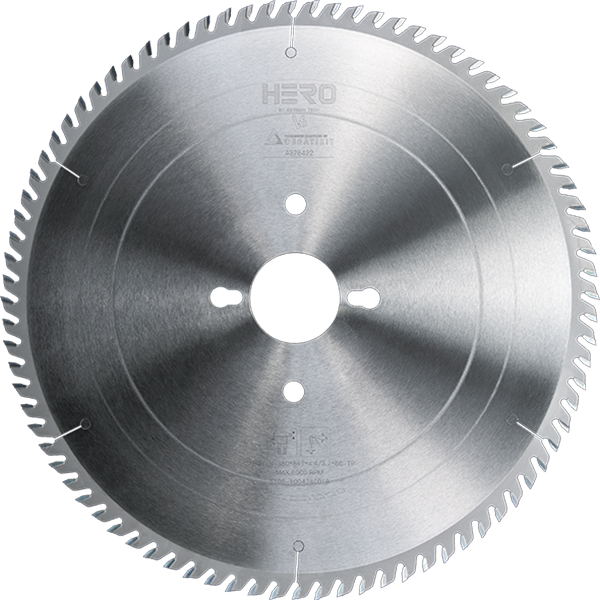 Cold Saw for Metal
 Cold Saw Blade for Ferrous Metal
 Dry Cut Saw Blade for Ferrous Metal
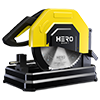 Cold Saw Machine
 Drill Bits
 Dowel Drill Bits
 Through Drill Bits
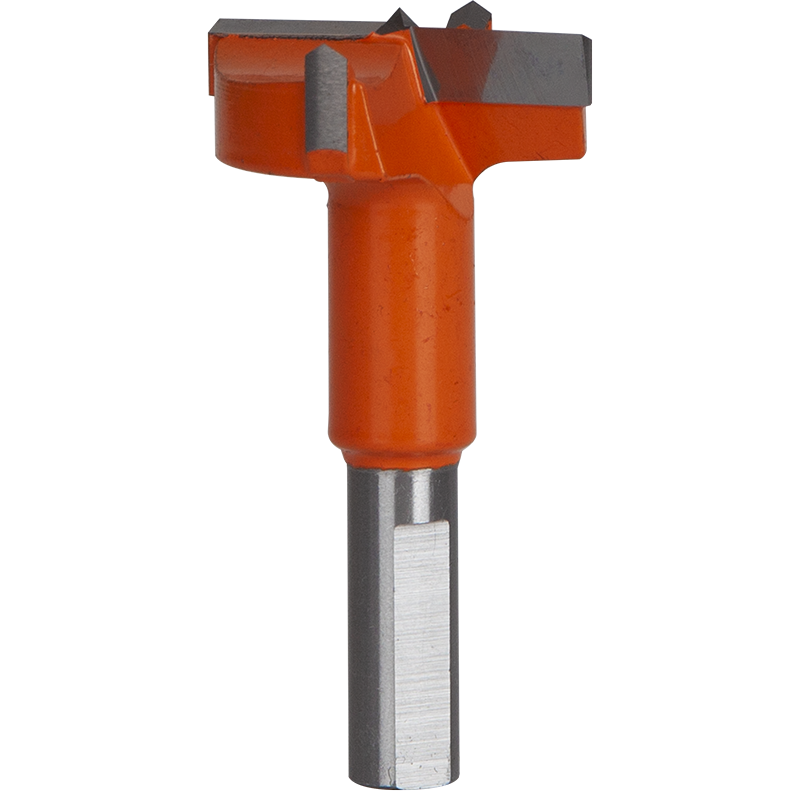 Hinge Drill Bits
 TCT Step Drill Bits
 HSS Drill Bits/ Mortise Bits
 Router Bits
 Straight Bits
 Longer Straight Bits
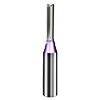 TCT Straight Bits
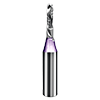 M16 Straight Bits
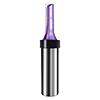 TCT X Straight Bits
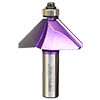 45 Degree Chamfer Bit
 Carving Bit
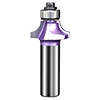 Corner Round Bit
 PCD Router Bits
 Edge Banding Tools
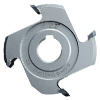 TCT Fine Trimming Cutter
 TCT Rough Trimming Cutter
 TCT Pre Milling Cutter
 Edge Bander Saw
 PCD Fine Trimming Cutter
 PCD Rough Trimming Cutter
 PCD Pre Milling Cutter
 PCD Edge Bander Saw
 Other Tools & Accessories
 Drill Adapters
 Drill Chucks
 Diamond Sand Wheel
 Planer Knives
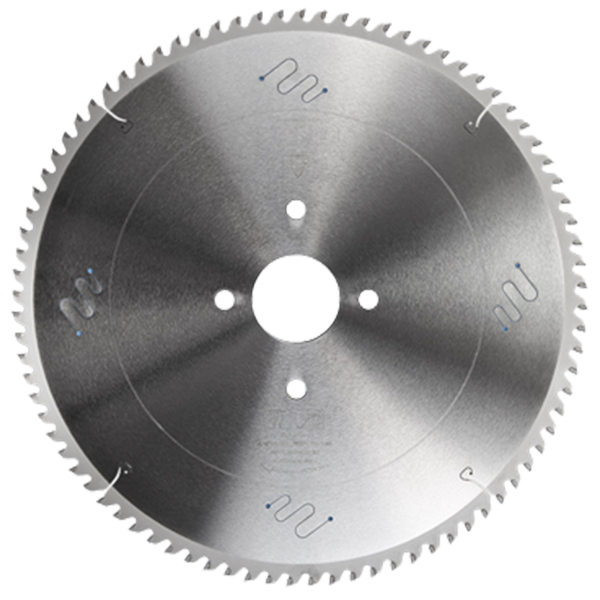
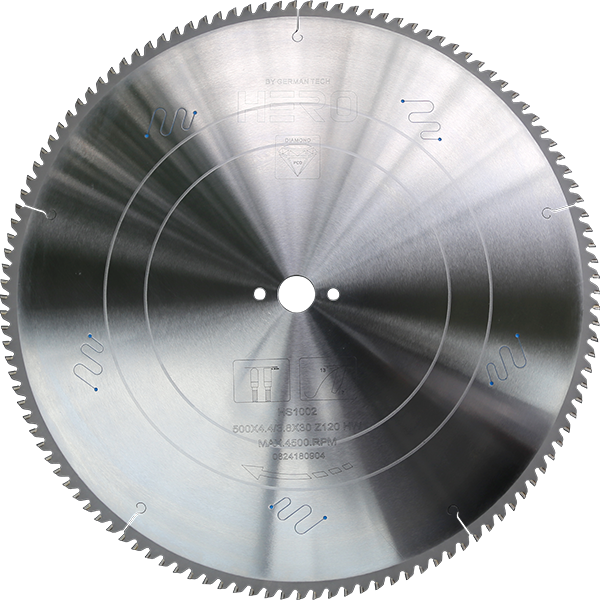
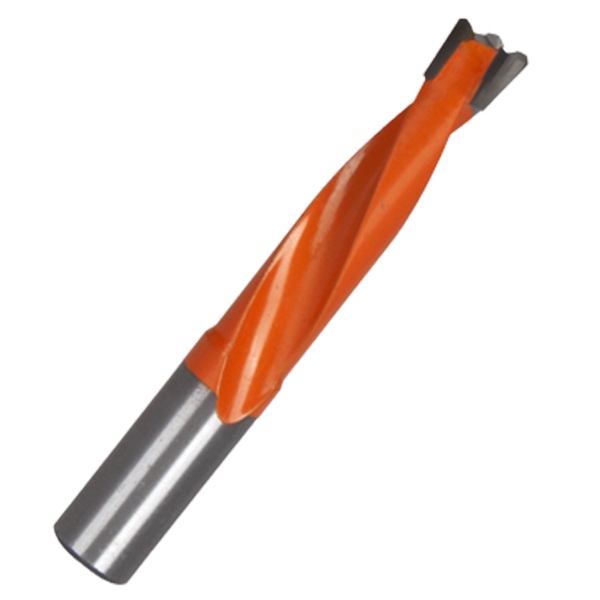

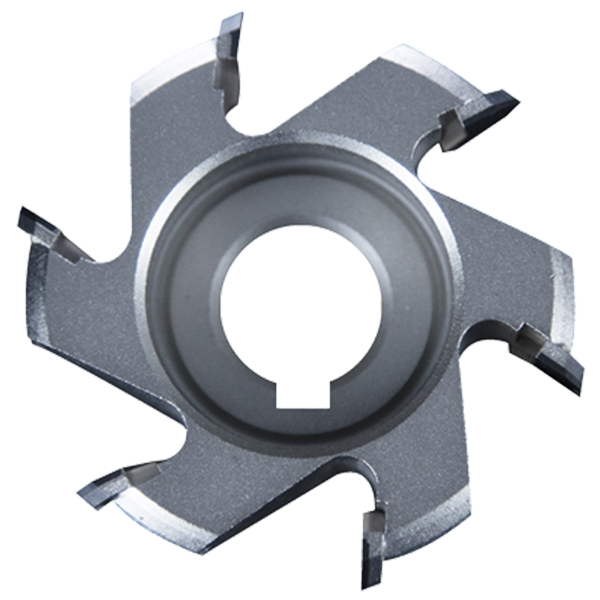


Industrial sawing troubleshooting guide: Diagnose abnormal sounds and rough surfaces. Get professional solutions to improve cutting efficiency and quality.
Introduction: In industrial sawing processes, the stable operation of equipment and the quality of machined surfaces are directly related to production efficiency and product qualification rates. When facing sudden abnormal sounds or rough cutting surfaces, technicians need to quickly and accurately diagnose the faults. Based on professional industrial sawing technical experience, this article outlines the criteria for judging abnormal sounds and the common causes and solutions for rough cutting surfaces. It aims to help on-site operators efficiently eliminate faults and ensure the smooth progress of sawing operations.
Abnormal Sound Diagnosis and Solutions
Abnormal sounds during the sawing process are often early warnings of problems with equipment or process parameters. By accurately identifying different sound characteristics, we can quickly locate the source of the fault. Below is the cause analysis and response strategies for four common abnormal sounds:
1. Sharp and Piercing Sound
Cause Analysis: This sound is usually caused by poor iron chip evacuation (chip clogging), or the feed per tooth (Fz) being too small, causing the saw teeth to rub against the material surface rather than cutting effectively.
Solution: Adjust the position of the steel brush or modify the cutting parameters to improve chip evacuation; if Fz is too small, appropriately increase Fz to restore normal cutting conditions.
2. Dull “Humming” Sound
Cause Analysis: A dull humming sound usually indicates insufficient spindle torque or overall rigidity of the equipment, or that the feed speed is set too fast, exceeding the equipment’s load capacity.
Solution: Check the operating status of the main machine and the tension of the drive belt; at the same time, appropriately reduce the feed speed to lighten the cutting load.
3. Intermittent “Clicking” Sound
Cause Analysis: This intermittent clicking sound is mostly caused by unstable clamping of the material, or the workpiece loosening and shifting during the cutting process.
Solution: Immediately check the pressure and status of the clamping device, and inspect whether the material itself has deformation that prevents effective clamping.
4. Fluctuating Noise
Cause Analysis: Unstable noise levels are usually due to improper selection of saw blade teeth, or mismatched cutting parameters (Fz and linear speed V), resulting in an unstable cutting process.
Solution: Rematch the saw blade teeth suitable for the current material, and recalculate reasonable Fz and V values based on material characteristics.
Important Note:
After every saw blade replacement, the equipment must idle for 2 minutes. Listen carefully to ensure the sound is normal before proceeding with formal cutting.
Causes and Solutions for Rough Cutting Surfaces
The smoothness of the cut cross-section is an important indicator of sawing quality. When the cut surface becomes rough, has burrs, or shows ripples, it is usually caused by the following five core factors:
1. Poor Iron Chip Evacuation (Chip Clogging)
Details: Iron chips get stuck between the saw teeth and cannot be discharged in time, which will scratch the machined surface during subsequent cutting, increasing roughness.
Solution: Adjust or replace the chip evacuation steel brush, and optimize cutting parameters to promote chip removal.
2. Uneven Flange / Clamping Block Precision Failure
Details: Wear and deformation of the flange will cause the end face runout of the saw blade; clamping blocks that are too tight or too loose will cause slight deflection of the saw blade during cutting.
Solution: Repair or replace the worn flange, and recalibrate the precision of the clamping blocks.
3. Damaged Saw Teeth or Deformed Saw Plate
Details: Severe wear of the tooth tips reduces cutting sharpness; deformation of the saw blade body will cause the cutting trajectory to deviate, directly destroying the surface quality.
Solution: Replace damaged or deformed saw blades in a timely manner; strictly prohibit operating with faulty equipment.
4. Sawing Speed Too Fast
Details: Unreasonable feed per tooth (Fz) (too large or too small) will disrupt the cutting balance. Excessive speed will lead to a sharp increase in cutting force, tearing the material surface.
Solution: Appropriately reduce the spindle speed (V) or adjust the feed speed (F) to bring Fz back to a reasonable range.
5. Insufficient Coolant
Details: Insufficient cooling and lubrication will cause the temperature in the cutting zone to rise sharply, accelerating tool wear and causing thermal damage to the material surface.
Solution: Check the coolant tank level, clear blocked pipelines, and adjust the nozzle angle to ensure the coolant accurately covers the cutting zone.
Conclusion and Recommendations
Troubleshooting industrial sawing faults relies on the combination of “diagnosing by sound” and “finding causes by observing the surface.” It is recommended that enterprises establish a sawing parameter record table in daily management and regularly maintain clamping devices, flanges, and cooling systems. When encountering abnormalities, do not adjust blindly; strictly follow the above diagnostic logic to troubleshoot step by step to ensure high efficiency and high quality in sawing processing.
Post time: Aug-19-2026


