
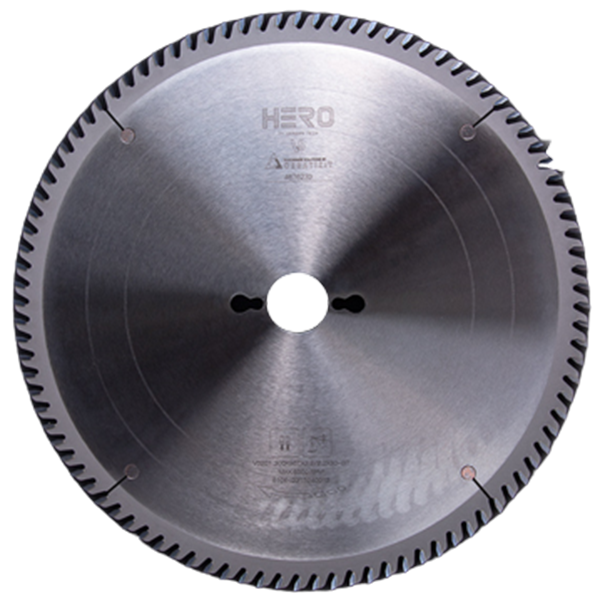
 TCT Saw Blade
 HERO Sizing Saw Blade
 HERO Panel Sizing Saw
 HERO Scoring Saw Blade
 HERO Solid Wood Saw Blade
 HERO Aluminum Saw
 Grooving Saw
 Steel Profile Saw
 Edge Bander Saw
 Acrylic Saw
 PCD Saw Blade
 PCD Sizing Saw Blade
 PCD Panel Sizing Saw
 PCD Scoring Saw Blade
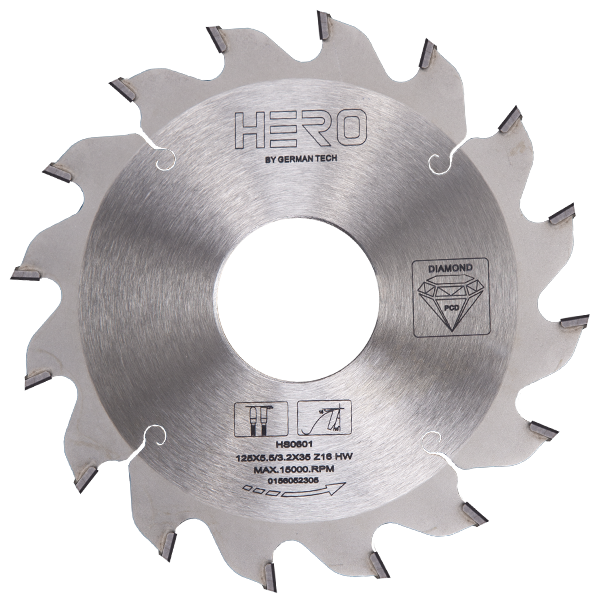 PCD Grooving Saw
 PCD Aluminum Saw
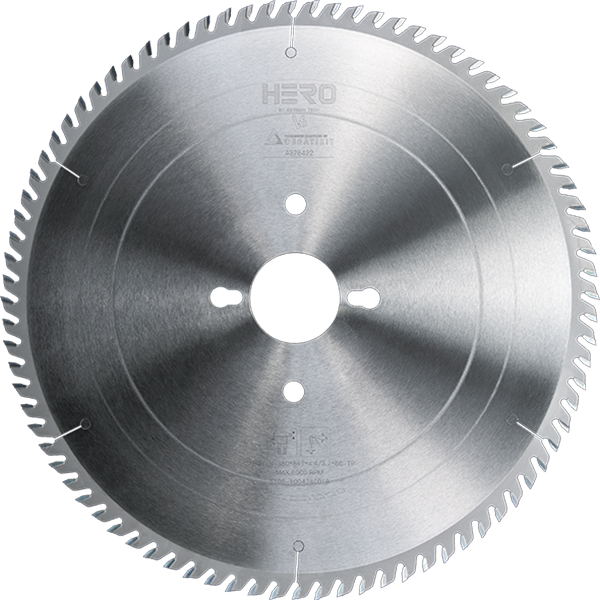 Cold Saw for Metal
 Cold Saw Blade for Ferrous Metal
 Dry Cut Saw Blade for Ferrous Metal
 Cold Saw Machine
 Drill Bits
 Dowel Drill Bits
 Through Drill Bits
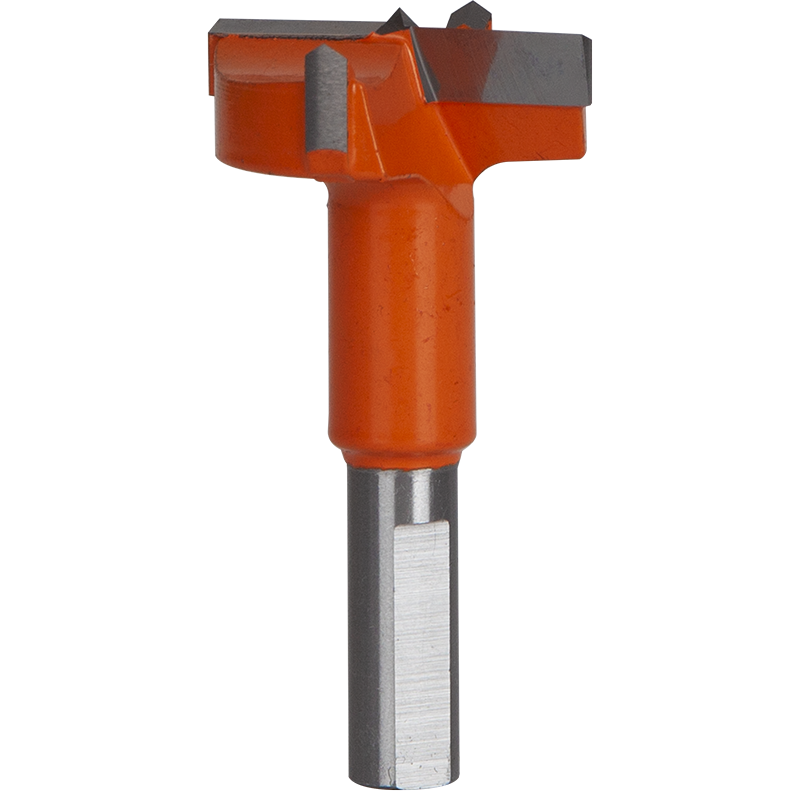 Hinge Drill Bits
 TCT Step Drill Bits
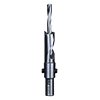 HSS Drill Bits/ Mortise Bits
 Router Bits
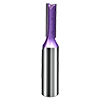 Straight Bits
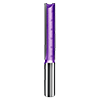 Longer Straight Bits
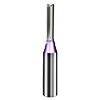 TCT Straight Bits
 M16 Straight Bits
 TCT X Straight Bits
 45 Degree Chamfer Bit
 Carving Bit
 Corner Round Bit
 PCD Router Bits
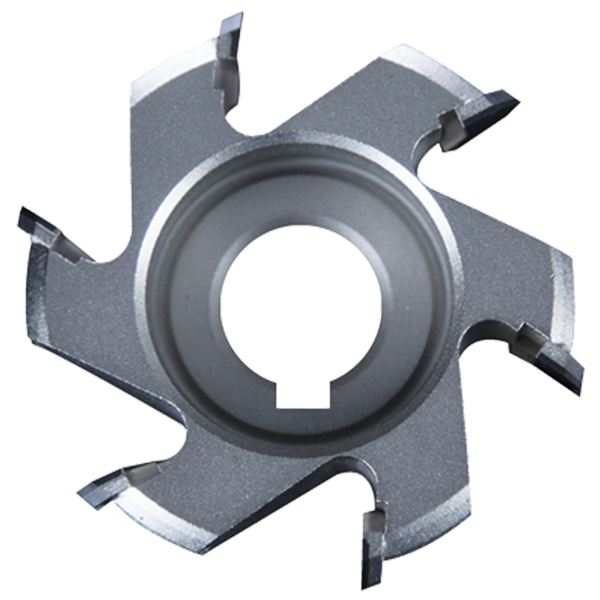 Edge Banding Tools
 TCT Fine Trimming Cutter
 TCT Rough Trimming Cutter
 TCT Pre Milling Cutter
 Edge Bander Saw
 PCD Fine Trimming Cutter
 PCD Rough Trimming Cutter
 PCD Pre Milling Cutter
 PCD Edge Bander Saw
 Other Tools & Accessories
 Drill Adapters
 Drill Chucks
 Diamond Sand Wheel
 Planer Knives
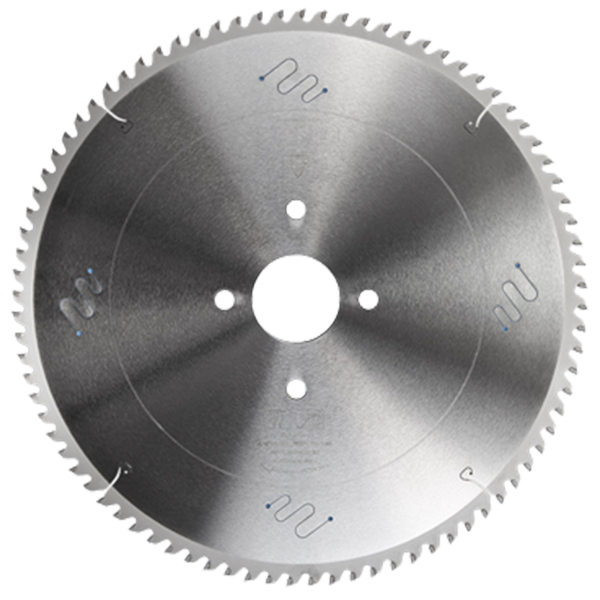
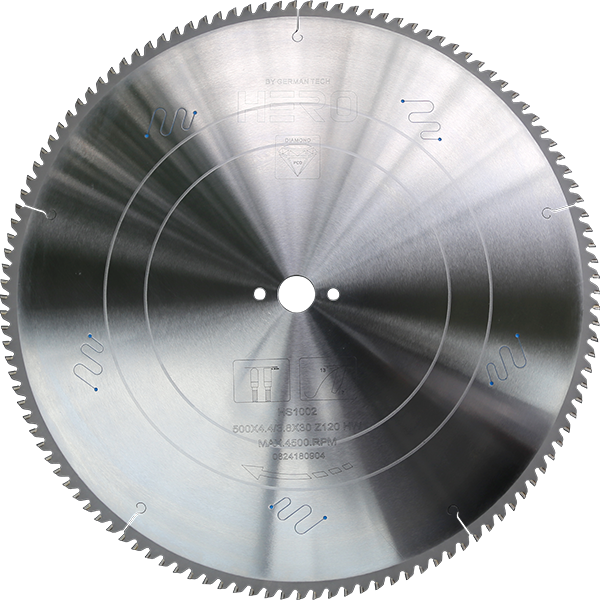
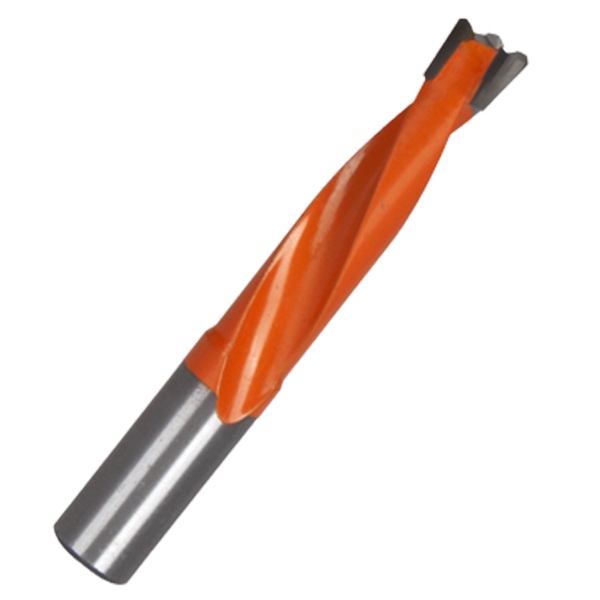

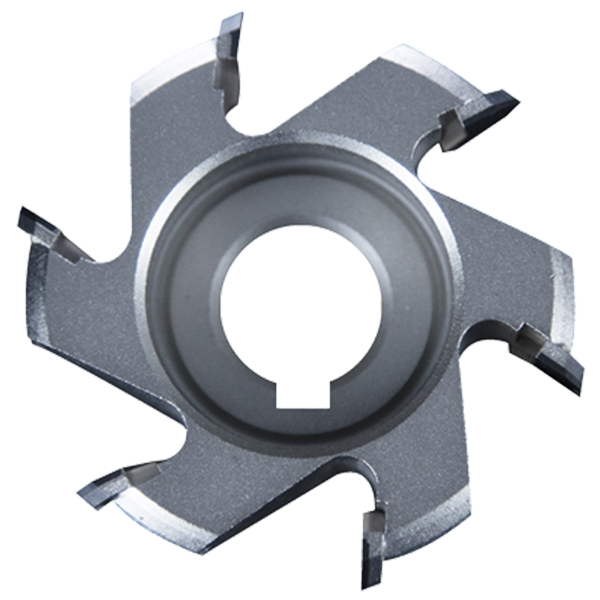


Portable power tools are lightweight implements used to replace hand tools. Powered by electricity or compressed air, they reduce labor intensity, speed up construction, and ensure project quality. The general characteristics of these tools are: light weight; most can be operated with one hand; small size for easy carrying and flexible use; and high efficiency, offering significant advantages over hand tools. Commonly used examples include: electric drills, electric screwdrivers, portable grinders, portable electric wire saws, portable woodworking planers, and portable electric circular saws.
1.a.Key details: Requirements for using electric drills
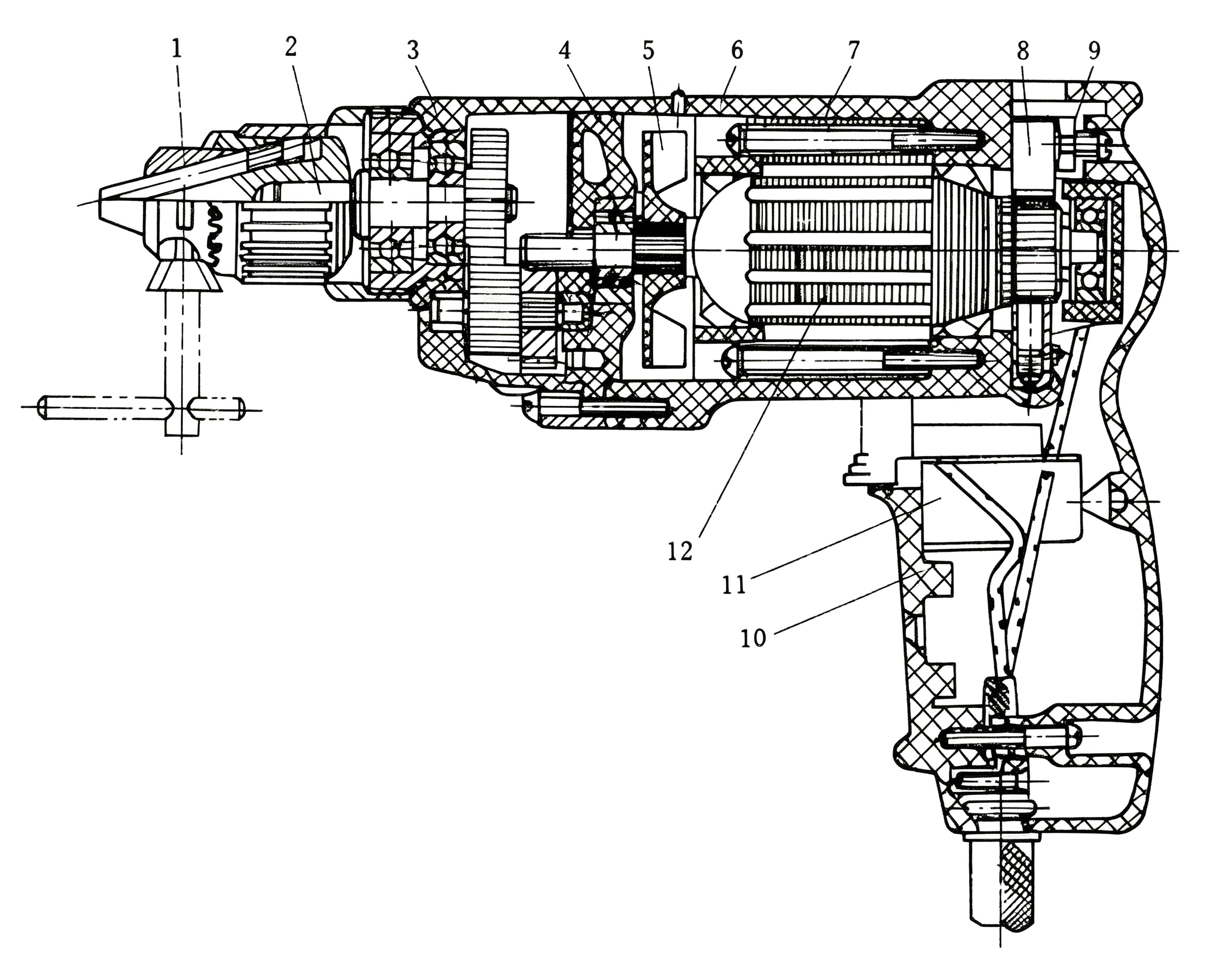
Basic structure of an electric drill: 1—Drill chuck; 2—Drill spindle; 3—Gearbox; 4—Intermediate disc; 5—Fan; 6—House; 7—Stator; 8—Carbon brushes; 9—Commutator; 10—Handle; 11—Switch; 12—Rotor
(1) Commonly used electric drills for woodworking include pistol drills and hand drills for screw holes, and impact drills for drilling holes in walls during renovations.
(2) Impact drills and hand drills are not significantly different in appearance. They can drill holes in wood and steel plates without impact, and in brick walls or concrete with impact. The transition from non-impact to impact is achieved by rotating a pin at the front of the drill body.
(3) When operating an electric drill, ensure the drill bit feeds smoothly and in a straight line to prevent bouncing and tilting, which could break the drill bit. When drilling large holes, drill a small hole first, then change the drill bit to enlarge it. When drilling deep holes, pull the drill bit out midway through drilling to remove drill chips and continue drilling.
(4) When using an impact drill to drill holes in wood or steel, remember to switch the drill to non-impact mode.
b.Key Details: Features of Electric Screwdrivers
(1) For carpenters, especially furniture installers, tightening wood screws used to be both laborious and time-consuming. The advent of electric screwdrivers has greatly reduced the labor intensity for carpenters.
(2) Its shape is similar to a pistol drill, only the clamping part is different. The electric screwdriver’s clamping mechanism contains a spring and a clutch. When not in use, the spring disengages the clutch, the motor rotates but the screwdriver does not. When the screwdriver is pressed against the wood screw, the spring is compressed, the clutch engages, and the screwdriver rotates to tighten the wood screw.
(3) By changing the screwdriver head, it can tighten flathead wood screws, Phillips head screws, socket head cap screws, hex head cap screws, self-tapping screws, etc.
2.a.Key details and features of handheld polishing machines
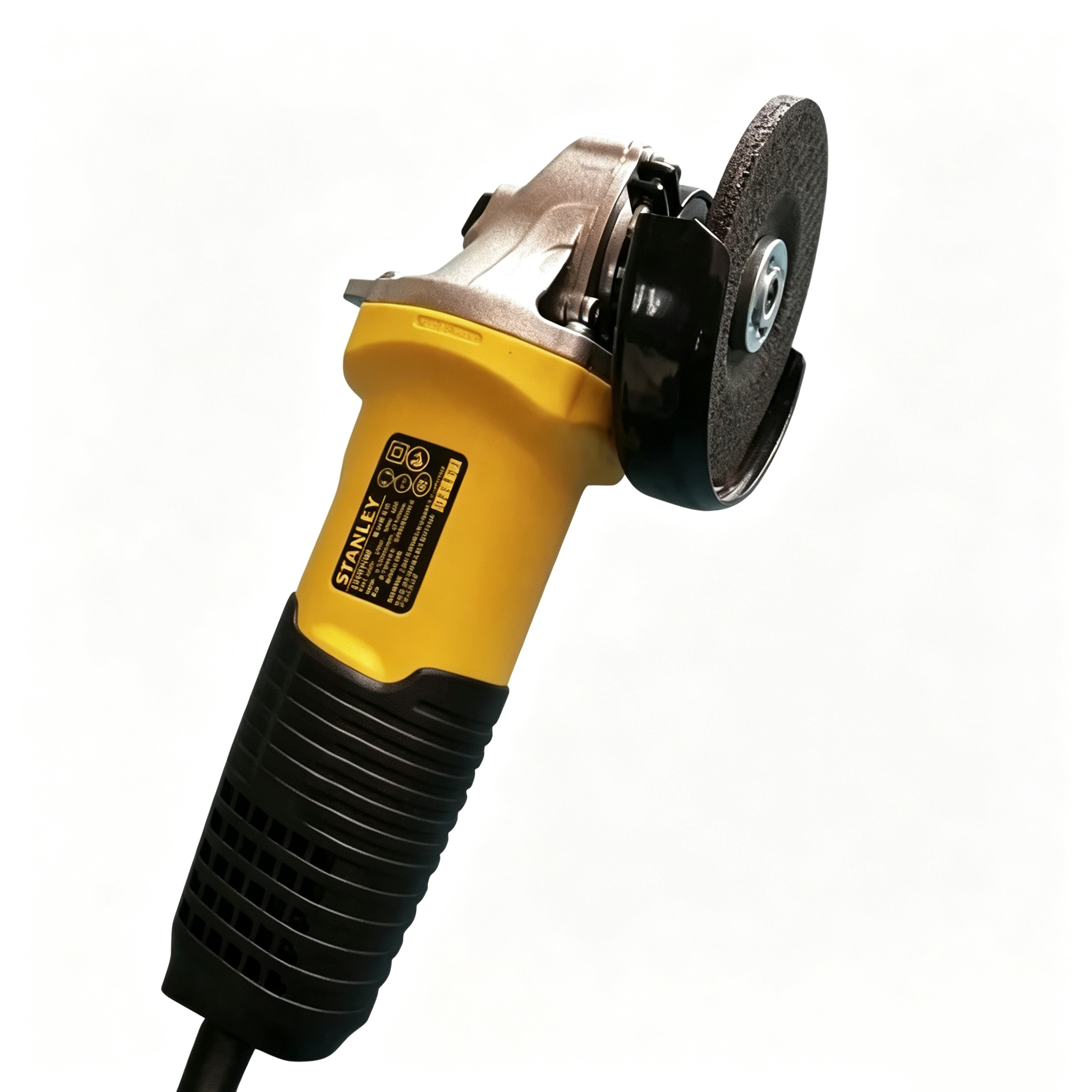
(1) A sander is an electric tool used to smooth and polish wooden products. There are several types, including belt sanders, disc sanders, and flat sanders. A commonly used belt sander consists of a motor, sanding belt, handle, and dust bag. When operating, hold the handle at the back of the sander with your right hand and the side handle with your left. Place it flat on the surface of the wooden product and push it along the grain. The rotating sanding belt smooths the surface, and the sanding debris is collected in the dust bag. Once full, remove and empty the dust bag.
(2) When sanding with a sander, always push and pull along the grain and avoid standing still to prevent creating pits and damaging the product surface. When polishing with a wool wheel, the pressure should be moderate to avoid sanding through the paint film.
b.Key details and features of the handheld electric wire saw
(1) Handheld electric wire saws are mainly used for sawing thinner wood boards and engineered wood products. Because of their narrow blades, they can perform both straight and curved cuts. There are two types: vertical and horizontal.
(2) The base plate of a vertical handheld electric wire saw can be adjusted arbitrarily between 45° and 90° relative to the saw blade. When sawing straight edges, the base plate is perpendicular to the saw blade; when sawing beveled edges, the base plate is adjusted within a 45° range. During operation, a line is drawn on the wood or a temporary guide rail is installed, and the base plate is pushed along the temporary guide rail for sawing. When sawing curved edges, a line must be drawn first, and both hands are held on the handles to slowly push the saw along the line.
(3) Horizontal handheld wire saws have no base plate; the blade is parallel to the motor shaft. During operation, the right hand holds the handle, and the left hand supports the machine body while sawing along the line.
(4) Handheld electric wire saws can not only saw wood and engineered wood products, but also soft steel plates, plastic sheets, and other materials.
3.Key details: Structural features of a portable woodworking electric planer
(1) A portable electric wood planer uses a high-speed rotating cutter head to plan wood; it is similar to an inverted small planer. When operating, hold the round shank at the front of the planer with your left hand and the handle at the back of the machine with your right hand, and smoothly advance the planer forward. When retracting, lift the planer body to avoid damaging the workpiece surface.
(2) A portable electric planer can not only plan flat surfaces, but also chamfer, cut kerf, and plan the sides of panels and doors.
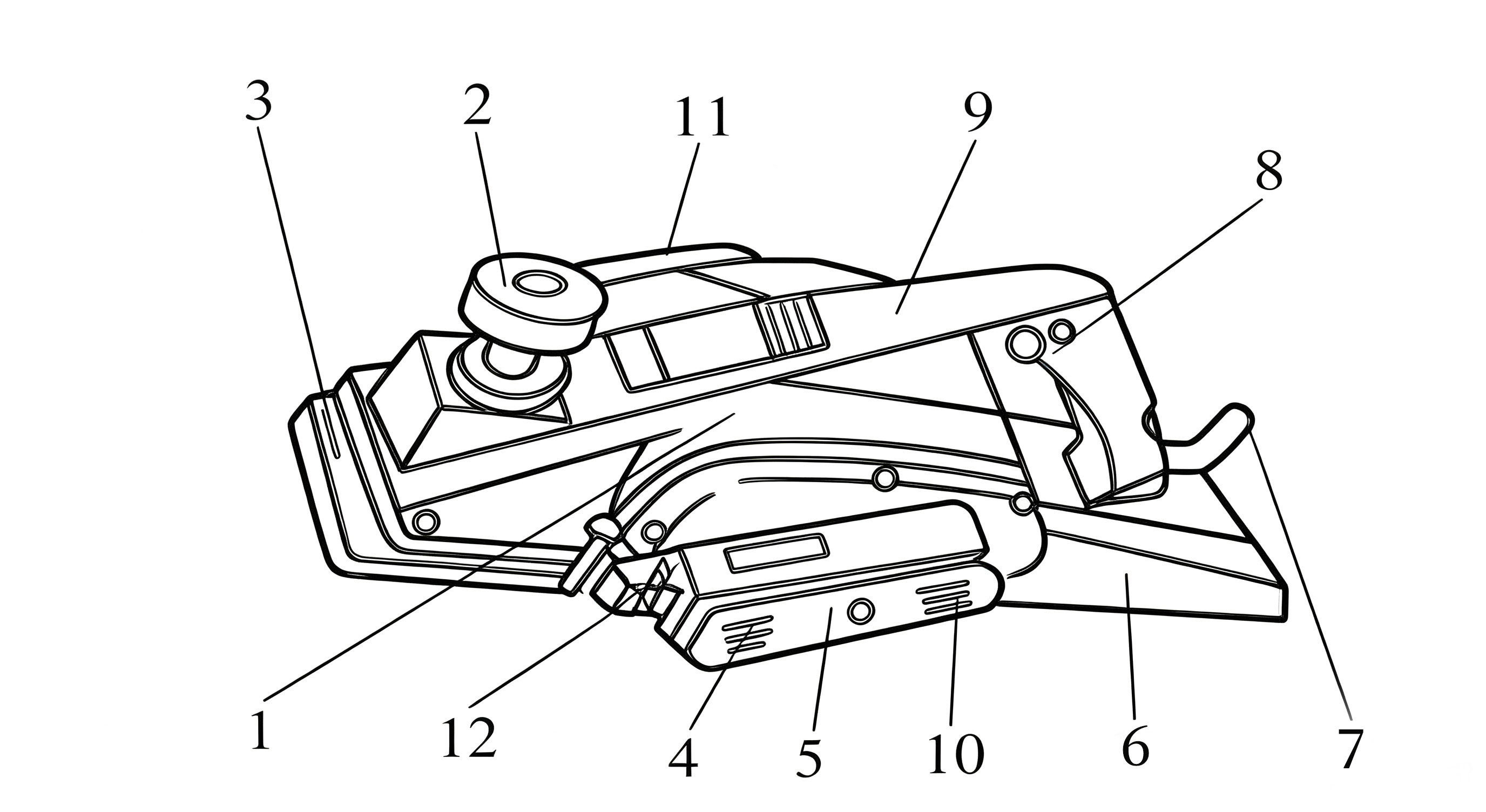
The structure of a portable electric wood planer: 1. Housing; 2. Adjusting nut; 3. Front seat plate; 4. Spindle; 5. Belt cover; 6. Rear seat plate; 7. Wiring terminal; 8. Switch; 9. Handle; 10. Motor shaft; 11. Wood chip outlet; 12. Carbon brushes
4.Key Details: Composition and Operation of a Handheld Electric Circular Saw
(1) The handheld electric circular saw is driven by a small motor to rotate the saw blade. It consists of a motor, saw blade, frame, handle and protective cover, as shown in the figure.
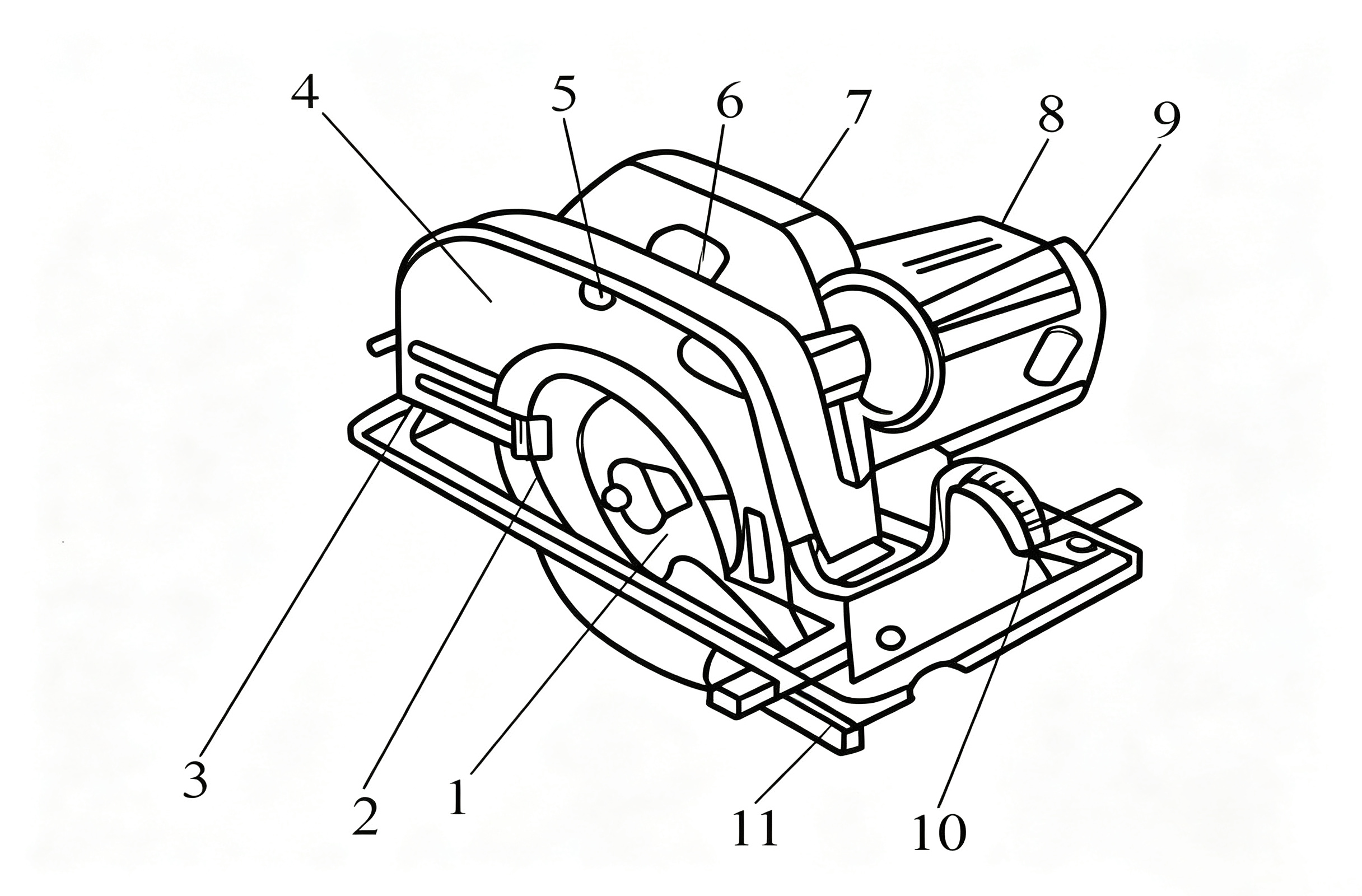
Components of a Handheld Electric Circular Woodworking Saw: 1. Saw blade; 2. Safety guard; 3. Base frame; 4. Upper cover; 5. Cutting depth adjustment device; 6. Switch; 7. Junction box handle; 8. Motor cover; 9. Operating handle; 10. Cutting angle adjustment device; 11. Backrest.
(2) A handheld electric circular saw can be used for cross-cutting and longitudinal splitting of wood. The saw blade rotates at high speed and is partially exposed during sawing; safety precautions must be taken during operation.
(3) Before sawing, draw a line on the wood and clamp it securely. Lift the saw with both hands, press the start button on the handle, align it with the marked line, and cut into the wood. Hold the saw steady and move it forward along the line. Wear protective eyewear during operation to prevent sawdust from flying into your eyes and causing injury.
Post time: Jul-13-2026


